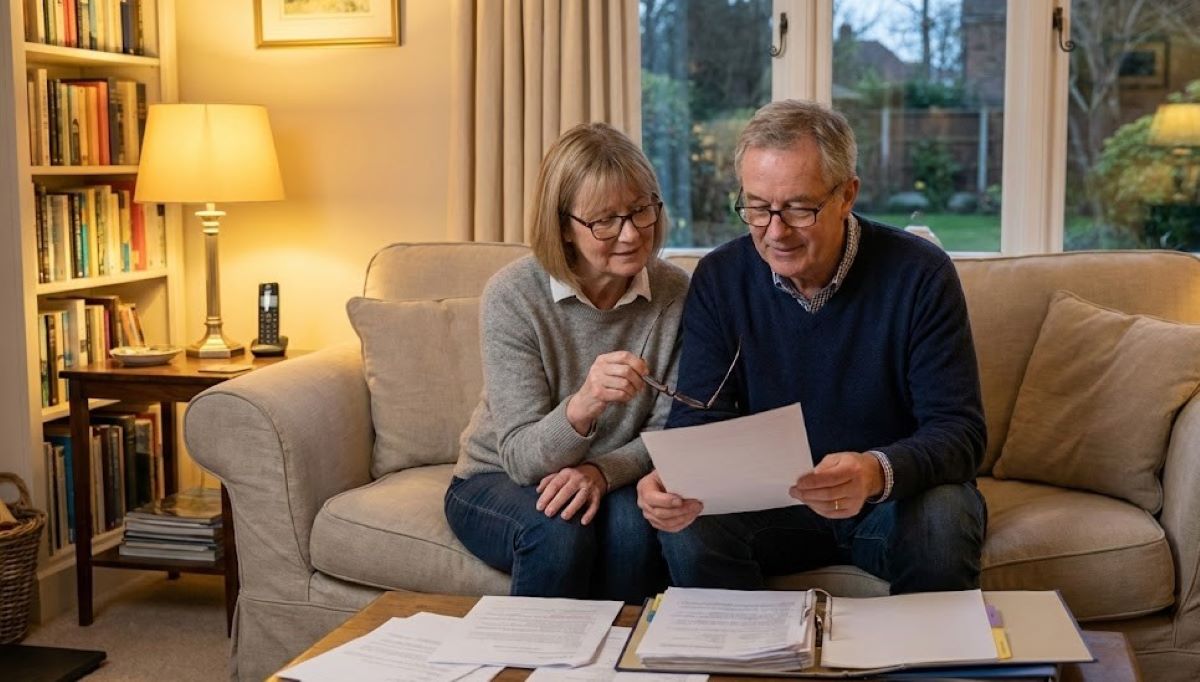
A Holiday Message of Gratitude and Reflection

A Holiday Message of Gratitude and Reflection

A Season for Gratitude, Reflection, and Looking Ahead

The holiday season has a way of inviting us to slow down, at least a little. It’s a time when many of us feel more aware of what matters most: family, connection, memories, and the people we care about.

I wanted to share a warm holiday message and a sincere thank you to everyone who has followed along, watched my videos, read my blog articles, attended presentations, or quietly supported my work behind the scenes. Your engagement means more than you know.

For me, this season is also a reminder that thoughtful planning is not just about documents. It’s about people. It’s about reducing uncertainty for the ones we love, and making sure our wishes are understood, not guessed at.

Planning is an act of care

Estate planning is often framed as paperwork, but at its core it’s about clarity and communication. It helps families avoid confusion, reduces stress during difficult moments, and supports the people who will one day have to carry out your wishes.


The holidays can be joyful, but they can also be emotional. For some, the season carries grief, complicated family dynamics, or the weight of caring for others. If that is true for you, I hope you will give yourself permission to take things one step at a time. There’s no perfect way to move through the holidays.

To keep things light, I invited a special visitor to share a message too. Watch the video to listen to Santa’s simple reminder: take a little time to put your plans in writing, talk to the people who matter, and think about the future you want to create and the legacy you hope to leave.

Santa’s gentle reminder

Estate planning is not about focusing on an ending. It’s about giving your loved ones guidance, support, and confidence. A clear plan can be a gift that lasts far longer than the season itself.


If you have been meaning to start, update, or organize your plan, consider taking one meaningful step. That might be reviewing your will, confirming your executor choice, updating beneficiaries, or simply having a conversation with your family about what you want and why.

If you’d like support or a clear starting point, I am here to help. NEXsteps provides education, guidance, and practical support related to estate planning readiness and estate administration. If you are looking for clarity, help organizing your information, or support navigating executor responsibilities, you can explore my resources and services or reach out directly.

Wishing you peace, warmth, and meaningful moments throughout the holidays. Merry Christmas and happy holidays.


Visit our services page to see how we can help.

Watch our video here, or watch on our YouTube Channel:

Prefer a podcast? Listen here!

Please send us your questions or share your comments.

Disclaimer: This content is for general information only and is not legal, financial, medical, or tax advice.

Plans Are Worthless, But Planning Is Everything

Plans Are Worthless, But Planning Is Everything

Why the Plan Doesn’t Matter, but Planning is Everything

Dwight D. Eisenhower once said, “Plans are worthless, but planning is everything.” While he was talking about military strategy, the truth behind his words fits estate planning perfectly. A plan on paper is important, but the real protection for your family comes from keeping that plan alive, updated, and aligned with your current life.

Many people treat estate planning as a one time task. You sign your documents, put them away, and feel relieved to check it off the list. Years go by. Life changes. Relationships shift. Finances evolve. Health can surprise us. Yet the documents remain frozen in time.

This is exactly why estate planning is not finished once your will is drafted. It is a process, not a one time event. And this is where planning becomes everything.


Life Changes. Your Plan Should Change With You.

Take the example of Maria and Carlos.

Maria and Carlos moved to Canada about twenty years ago and built their whole future here. When their children were small, they created wills naming Carlos’s cousin in Ontario as executor and guardian. At the time, it made perfect sense. Their cousin was close to the family, trusted, and very involved in their children’s early years.

But today their son lives in Vancouver. Their daughter is in university. Their cousin has since taken on a demanding job, moved to a different city, and is caring for aging parents of her own. She quietly admitted to Maria that she would struggle to take on the executor role now, simply because her own life has changed so much.

Maria realized her will no longer reflected the practical realities of her family. The document was still legally valid, but it was no longer aligned with the life she and Carlos were living today. This is what happens when life moves forward and the plan does not.

An estate plan becomes outdated long before it becomes invalid.

Most people assume their estate plan is fine as long as it is legally valid. In reality, a will or power of attorney becomes outdated long before the law stops recognizing it. Life changes faster than documents do. If your executor, relationships, finances, or health have shifted, your plan needs attention even if everything is still legally binding. Updating is not about paperwork. It is about preventing stress and confusion for the people who will one day rely on your decisions.

Amrit’s Experience

When Amrit’s mother passed away, he felt confident things would be straightforward. His mother had a will and had always been organized. But the will was fifteen years old. The executor she named had long since moved overseas. Several assets listed in the will no longer existed. Investment accounts had changed. Beneficiary designations on registered plans were never updated.

Amrit loved his mother, but instead of having the time and space to grieve, he spent weeks piecing together information, guessing her intentions, and trying to find missing documents. Her plan had not kept up with her life, and he paid the emotional price.

This is why ongoing planning matters so deeply.


Why Outdated Plans Create Real Stress For Families

Estate planning is meant to reduce stress. But when the documents are out of date, your family faces unnecessary burdens.

  • Executors feel overwhelmed. Most executors are grieving. When they also have to interpret outdated instructions or track down missing information, their burden grows heavier.
  • Beneficiaries may feel confused or hurt. If relationships or assets have changed, old instructions can be out of step with reality.
  • Assets may not be handled correctly. Closed accounts, sold property, new investments, and changed ownership structures can all disrupt the process.
  • The law may have evolved. Rules around witnessing, probate, separated spouses, or more may have changed since your last update.

A stagnant plan can create problems that a few small adjustments would have prevented.

A two hour review today can save your family months of difficulty later.

Most estate problems are preventable. Executors struggle not because the law is complicated, but because the information they receive is incomplete, outdated, or unclear. A short review of your wishes, your executor choices, and your asset information can prevent delays, disagreements, and unnecessary tension for your family. Small updates now often create the single biggest impact later. If you don’t know where to start, reach out and we can give you the support and guidance you need.

Planning Is Not Complicated. It’s Simply Ongoing.

Eisenhower understood something universal. Life never unfolds exactly the way we expect. This is why the value lies not in the original plan, but in continuously thinking ahead, adjusting, and preparing.

In estate planning, ongoing planning looks like this:

  • Reviewing your documents regularly
  • Updating them after major events
  • Confirming that your executor or guardian for your children is still willing and able
  • Keeping a simple, current list of assets and key contacts
  • Revisiting your personal care wishes
  • Having honest conversations with the people you have chosen to act for you

This is not complicated. But it is intentional.


Evelyn’s Story: A Gentle Course Correction

Evelyn, a retired teacher from Halifax, always believed in staying organized. She created her will, enduring power of attorney, and medical directive years ago, and every couple of years she reviewed them the same way she reviewed her insurance policies.

When her daughter moved home with her two children, Evelyn realized her family dynamics had shifted. She updated her executor, clarified her wishes for personal items, and left a simple list of online accounts in a sealed envelope. When her health later changed, her daughter felt comfort rather than panic. Everything was clear.

Evelyn’s documents provided structure. Her planning provided peace.


Why Proper Planning Brings Peace of Mind

People often tell me that updating their plan gives them a sense of relief. Not because the documents undergo drastic changes, but because the plan finally matches their life again.

A current estate plan brings:

  • Clarity for your executor. They move forward with confidence instead of hesitation.
  • Security for your family. Your intentions are clear and current.
  • Better protection during incapacity. Updated powers of attorney and medical directives reflect your values today.
  • Peace of mind for you. You are no longer relying on a plan built for a life you no longer live.

If you are unsure whether your current estate plan still reflects your life today, a simple review can make a meaningful difference. As a Certified Executor Advisor, I help individuals and families keep their plans clear, current, and practical, so that executors are not left guessing at a difficult time.


Your Plan Should Feel Like It Belongs To Your Life Today

If you have not reviewed your documents in years, you are not alone. Most people put estate planning off because life is busy or because they assume nothing significant has changed. But once you begin reviewing your plan, areas needing attention appear quickly.

Ask yourself:

  • Would my executor still be the right choice today
  • Do my wishes still reflect my relationships and values
  • Have my finances changed
  • Have I moved
  • Would my family understand why I made these decisions

If any of those questions give you pause, it is time for a fresh look.


Planning As An Ongoing Act of Care

Planning is the ongoing act of caring for the people who will one day rely on your decisions. A will is important, but it is your ongoing planning that ensures your family experiences clarity instead of confusion, and confidence instead of stress.

If you would like support reviewing your existing plan, organizing information for your executor, or simply understanding where the gaps might be, I’m here to help you take the next steps with confidence.


Visit our services page to see how we can help.

Watch our video here, or watch on our YouTube Channel:

Prefer a podcast? Listen here!

Please send us your questions or share your comments.

Disclaimer: This content is for general information only and is not legal, financial, medical, or tax advice.

The Executor’s Guide to the Final Return

The Executor’s Guide to the Final Return

The Final Return: Tax Steps Executors Can’t Afford to Miss

When someone passes away, their tax responsibilities don’t end with their last breath. In fact, for the executor, this is where the tax work truly begins. Preparing the final tax return, often called the “terminal return,” is one of the most important, and often most misunderstood, steps in estate administration.

Many executors assume it’s just another filing deadline, but errors or omissions on the final return can delay distributions, invite CRA reassessments, or even create personal liability for the executor. Understanding what’s required, and when, can make the difference between a smooth estate closure and months or years of costly delays.


What Is the Final Return?

The final return covers the period from January 1 of the year of death up to the date of death. It reports all income earned by the deceased during that period, including employment income, pensions, CPP or OAS, dividends, interest, rental income, and capital gains from the sale or deemed disposition of assets.

Here’s where many executors get caught. When a person dies, the CRA treats most assets as if they were sold immediately before death. This “deemed disposition” can trigger capital gains on investments, real estate, RRSP’s, RRIF’s, or even business shares. Unless those assets pass to a surviving spouse or qualifying spousal trust, those gains must be reported and taxed in the final return.

The Cottage That Caught Them Off Guard

When Margaret passed away, her family assumed her beloved Ontario cottage would simply go to her two adult children. They were shocked to learn that her estate owed nearly $45,000 in capital gains tax. Margaret had purchased the cottage decades earlier for $60,000, and it was now worth $350,000. Because the cottage was not her principal residence, the entire gain was taxable on her final return. Her executor had to sell other assets to cover the tax bill.

This type of unexpected tax burden is common when secondary properties, such as cottages, cabins or rental units, are not addressed in an estate plan. Proper planning can help families avoid surprises and ensure that the next generation receives what the owner intended.


Timing Matters

Settling a final tax return is highly time-sensitive, and the deadlines vary depending on the date of death.

The deadline for filing depends on when the person died:

  • January 1 to October 31: Return due April 30 of the following year
  • November 1 to December 31: Return due six months after the date of death

Taxes owing must be paid by the same deadline. Interest accrues immediately after that date, so missing the deadline can be costly.

In addition to the terminal return, there may be optional returns that can reduce the estate’s tax bill:

  • Return for rights or things: covers income the deceased was entitled to but had not yet received, such as unpaid wages or dividends declared before death.
  • Return for a partner or proprietor: reports business income earned up to the date of death.
  • Return for testamentary trusts or estates: applies if the estate continues to earn income after death, such as investment income or rent.

These optional filings can split income across multiple returns, potentially reducing the overall tax burden. But knowing which ones apply requires careful coordination between the executor, accountant, and, if applicable, the lawyer or financial advisor involved.


Executor Responsibilities: More Than Just Filing

The executor’s job does not end once the forms are submitted. CRA will issue a Notice of Assessment (NOA) after processing, and it is critical to review this carefully for discrepancies or missing slips. If the NOA shows a balance owing, the executor must arrange payment from the estate before any distributions are made.

Once the final return is accepted and all taxes are paid, the executor should request a Clearance Certificate from CRA. This document confirms that the estate has no outstanding tax obligations. Without it, the executor could be personally liable if the CRA later finds an unpaid amount.

Tip: Never distribute estate assets until you have the Clearance Certificate in hand. It is your proof that you have met all federal tax obligations.

Provincial and Territorial Nuances

While Canada does not have a federal “estate tax,” each province and territory has its own filing requirements and probate fees. Executors in Ontario, for instance, must complete an Estate Information Return within 180 days of receiving the Certificate of Appointment. In British Columbia, executors must prepare a final accounting and provide it to beneficiaries, but court approval is only required if the accounts are disputed or beneficiaries do not consent to the distribution.

These additional filings can overlap with the federal tax process, so understanding your province’s rules and working with a professional who does is essential.

The Delayed Distribution

John was executor for his late aunt’s estate in Alberta. He filed the final return promptly but did not realize an investment slip had been issued under her maiden name. Months later, CRA reassessed the estate for unreported income and penalties. The reassessment delayed the Clearance Certificate by almost a year, and John had already distributed the estate. He had to personally recover funds from each beneficiary to cover the shortfall.


Coordinating with the Right Professionals

The complexity of estate taxation can easily overwhelm even the most organized executor. While some estates are straightforward, others involve multiple properties, investment portfolios, or small business ownership. Bringing in an accountant early can save significant time, money, and stress.

If you are acting as executor, or expect to be named in someone’s will, it is wise to consult with a Certified Executor Advisor (CEA) before you start. A CEA can help you interpret what is required, organize estate records, and ensure you are meeting your legal duties without overstepping your authority.

If you have been named executor and want clear guidance through the tax and filing process, check out our Executor Ally Plus or Executor Essentials services. These programs provide personalized support, detailed checklists, and one-on-one assistance to help you fulfill your role with confidence.


Common Missteps Executors Make

Even well-meaning executors can stumble on the tax side of estate administration. The following are some of the most common mistakes that can lead to delays, extra costs, or even personal liability:

  • Missing tax slips: Executors often overlook T3 or T5 slips that arrive months after death. Keep mail forwarding active and monitor accounts regularly.
  • Distributing assets too early: Without a Clearance Certificate, you risk personal liability if reassessments occur.
  • Overlooking optional returns: Missing these can mean paying more tax than necessary.
  • Ignoring post-death income: Income earned by the estate after death belongs on a T3 return, not the final return.
  • Failing to document everything: CRA may audit the estate years later. Keep a complete record of correspondence, slips, and statements.
The Accountant Who Saved the Day

When Elaine’s father passed away, she was overwhelmed by the number of investment accounts and tax slips arriving from multiple institutions. Her accountant suggested filing an optional return for “rights or things,” capturing uncashed dividends and pension income. This strategy reduced the estate’s overall tax bill by nearly $8,000 and helped secure the Clearance Certificate months earlier than expected.


The Final Word: Plan Ahead

For executors, taxes are often the most intimidating part of settling an estate. Yet with clear organization, early professional guidance, and timely filings, it is entirely manageable. Remember, the CRA’s deadlines are firm, but so is the executor’s right to request help.

If you are currently preparing your own estate plan, you can also ease the burden for your future executor by keeping tax records organized and up to date. Simple steps, like listing your assets, recording cost bases, and updating beneficiary designations, can spare your loved ones from tax confusion later.

If you want to ensure your estate plan is structured to minimize taxes and administrative burdens for your executor, our Legacy Planning Essentials or Comprehensive Legacy Package  services help you organize, document, and safeguard every detail before it is needed.


Key Takeaway

The “final return” is not just another tax filing. It is a crucial step in closing an estate properly and protecting everyone involved. Executors who understand their responsibilities, stay organized, and seek professional guidance can avoid costly mistakes and ensure a smoother, faster settlement for the families they serve.

Visit our online store  to view our services.

Watch our video here, or watch on our YouTube Channel:

Prefer a podcast? Listen here!

Please send us your questions or share your comments.

Disclaimer: This content is for general information only and is not legal, financial, medical, or tax advice.

“Good” Grief: Estate Planning Matters More Than You Think

“Good” Grief: Estate Planning Matters More Than You Think

Good Grief: Estate Planning That Eases the Burden

“Good grief!” It’s an expression we’ve all heard: a mix of frustration and disbelief, usually uttered when something feels more complicated than it should be. But what if we reframe the phrase? What if good grief could describe something more compassionate? Grief that is tender, supported, and not made heavier by avoidable problems?

When it comes to estate planning and administration, the difference between good grief and heavy grief often lies in preparation. Families who step into loss without a roadmap can face delays, confusion, and disputes that add unnecessary difficulty to an already painful time. Families with clear plans, on the other hand, are given space to grieve with fewer complications.

Estate planning isn’t just about distributing assets; it’s about creating the conditions for good grief.


Why Grief Feels Heavier Without Planning

Loss itself is always painful, but when a loved one hasn’t left their affairs in order, those left behind are tasked with far more than emotional healing. They must become detectives, administrators, mediators, and sometimes referees.

Without a will, the estate may be tied up in lengthy legal processes. Without updated beneficiaries, life insurance or retirement funds may go to the wrong person. Without clear powers of attorney or medical directives, families may be left second-guessing whether they made the right choices during a loved one’s illness or incapacity.

These situations don’t just cause paperwork headaches; they can fracture relationships. Siblings may find themselves in conflict over sentimental items. Friends may feel excluded from decisions. Grief becomes heavier because it carries layers of confusion and resentment.


What Good Grief Looks Like

Contrast that with a family whose loved one took the time to plan. There’s a will that names an executor clearly. Assets and beneficiary designations are up to date. Digital accounts are documented. Powers of attorney and medical directives were in place, so healthcare and financial decisions were made with confidence.

In this scenario, grief is still present, but it’s not burdened by confusion. The family can spend time together remembering, comforting, and supporting one another, instead of scrambling to track down accounts or arguing about intentions.

Good grief doesn’t mean easy grief. But means does mean grief with fewer obstacles, allowing space for healing.


Estate Administration: Where Grief Meets Reality

For executors, the work of settling an estate can feel like stepping into another full-time job. There are tax returns, property sales, debts to manage, and assets to distribute. Even in well-planned estates, the role is extremely time consuming and demanding.

That’s why supporting executors is such an important part of creating good grief. Professional guidance, clear checklists, and organized records can make the difference between an executor who struggles silently and one who can move through the process steadily.

When executors are supported, the entire family benefits. Tensions are reduced, timelines are shorter, and the estate is settled with less friction.  At NEXsteps, we are here to support your journey.


A Real-Life Example

David, a small business owner, believed his estate was straightforward. He assumed his assets would “just go” to his family and didn’t see the need to revisit his will, which was drafted decades earlier. In the meantime, his business had grown, he’d remarried, and he had stepchildren who were very much part of his life.

When David died, the outdated will caused deep rifts. His second wife expected to inherit the home they shared, but it was still legally directed to his children from his first marriage. Meanwhile, the business, which had employees and ongoing contracts, had no clear succession plan. What should have been a time of mourning quickly became a time of legal disputes and financial uncertainty.

Imagine instead that David had updated his will, created a succession plan for his business, and clarified his intentions for both his children and his second wife. His estate would have been distributed as he wished, his employees would have had stability, and his family could have focused on remembering his life rather than navigating preventable conflict. That’s the difference careful planning makes; grief with fewer complications, and more space for healing, rather than the weight of heavy grief.


How to Create Good Grief for Your Loved Ones

Good grief doesn’t happen by chance.  It’s the result of deliberate preparation. By making thoughtful choices now, you give your family the gift of clarity and comfort later. Here are key steps that help create the conditions for grief that is gentler, steadier, and less complicated:

  • Write or Update Your Will: Ensure your will reflects your current circumstances, assets, and relationships.
  • Name Executors and Backups: Choose trusted individuals and ensure they know what’s expected.
  • Update Beneficiaries: Regularly review insurance policies, RRSPs, TFSAs, and pensions.
  • Organize Important Documents: Keep deeds, account statements, and digital access information in one secure place.
  • Establish Powers of Attorney and Medical Directives: Take the burden of difficult decisions off your family by making your wishes clear.
  • Seek Professional Guidance: Advisors and executor support services ensure nothing slips through the cracks.

Closing Thought

Grief is never easy, but estate planning gives your loved ones the chance to experience what we might call good grief. It’s grief without unnecessary conflict, grief with more space for love, and grief that honours your life in the way you intended.  By planning ahead, you’re not just leaving behind your estate — you’re leaving behind peace of mind. That is one of the most meaningful legacies you can give.

Visit our online store  to learn more about our services.

Watch our video here, or watch on our YouTube Channel:

Prefer a podcast? Listen here!

Please send us your questions or share your comments.

Disclaimer: This content is for general information only and is not legal, financial, medical, or tax advice.

Estate Planning Lessons Hidden in the Walter Boys

Estate Planning Lessons Hidden in the Walter Boys

What the Walter Boys Teaches About Estate Planning    

The Walter Boys storyline may be fictional, but it highlights very real problems families face when wills and financial protections aren’t up to date. In My Life with the Walter Boys, Jackie loses her parents in a car accident and moves from New York to live with guardians in rural Colorado. Filmed right here in Alberta, the show resonates locally (the real reason why I watched it) but it also shows what happens when planning falls short: no life insurance or trust to provide for her care, and a will written fifteen years earlier that no longer reflects reality.

Pop culture is meant to entertain, but stories like this also hold a mirror up to real life. When we see the gaps on screen, it’s a reminder to close them in our own planning. Here are some takeaway lessons from Walter Boys!


Lesson 1: Financial security isn’t automatic

Jackie’s parents were accomplished: her mother a famous fashion designer, her father a Princeton graduate. Yet there’s no sign of insurance proceeds or a trust to support their daughter. That leaves her guardians, already raising ten children, to take on the cost of raising another.

On screen, this plays out as heartfelt drama. But in reality, failing to provide financial supports can strain budgets, relationships, and even the child’s opportunities.


Lesson 2: An outdated will creates chaos

The series makes it clear: Jackie’s parents wrote their will fifteen years earlier, when her guardians had only three children and her uncle, the alternate, was an unreliable playboy. Fast forward, the guardians now have ten children, and the uncle is older and more settled. But the outdated will still governs Jackie’s future.


Lesson 3: Guardianship needs support, not just goodwill

Jackie’s guardians are loving and willing, but the show makes it clear they are also financially stretched. Taking in another child is more than an emotional commitment — it’s a financial and practical responsibility. Without support, even the best intentions can lead to strain.


Lesson 4: Trusts and beneficiary designations can smooth the path

A basic trust, either in the will (testamentary) or set up during life, can provide structure: funds for the child’s support, rules for distributions, and a trustee to manage assets. Properly named beneficiaries on life insurance and registered accounts can deliver money quickly and outside probate, often the difference between stability and struggle.


Lesson 5: Talk to your people (before life forces the conversation)

Estate planning isn’t just documents. It’s conversations: about values, hopes, and practical realities. If Jackie’s parents had spoken with their chosen guardians (and alternate) and reviewed the plan as life evolved, the transition could have been far less uncertain.


Estate Planning Isn’t Just for the Wealthy

It’s a common misconception that estate planning only matters if you have significant wealth. In reality, it’s about protecting your loved ones, ensuring your wishes are respected, and sparing your family from unnecessary struggles. Whether your estate is modest or substantial, the right planning prevents unnecessary drama.  If you’re not sure how to start, book a one-hour clarity session and start your planning with confidence.


Bringing it home

The Walter Boys may be fictional, but the lessons are real. If Jackie’s parents had purchased insurance, established a trust, and kept their will up to date, her guardians’ love would have been matched with the resources to make it manageable.

Pop culture magnifies these gaps for dramatic effect, but in estate planning, those missing pieces can cause real and lasting harm.

Visit NEXsteps.ca to explore estate and legacy planning resources that protect your family, so the drama stays on screen, not in your life.

Visit our online store  to view our services.

Watch our video here, or watch on our YouTube Channel:

Prefer a podcast? Listen here!

Please send us your questions or share your comments.

Disclaimer: This content is for general information only and is not legal, financial, medical, or tax advice.


From Stress to Clarity: The Certified Executor Advisor Advantage

From Stress to Clarity: The Certified Executor Advisor Advantage

The Certified Executor Advisor Advantage: A Lifeline for Executors

When someone you love passes away, or when you’re trying to get your own affairs in order, you don’t usually think, “I should find a Certified Executor Advisor.” Instead, you’re faced with questions like:

  • Where do I even start as an executor?
  • How do I make sure I’m not missing something important?
  • Who can I trust for clear, unbiased guidance beyond just legal or financial advice?

That’s where a Certified Executor Advisor (CEA) comes in. Executors and families often find themselves under stress, even when wills, powers of attorney, and medical directives are in place. The CEA designation was created to provide clarity, structure, and support during one of life’s most challenging responsibilities.

Why Executors Need Support

Being named an executor is an honour, but it’s also a heavy responsibility. There are literally hundreds of tasks; everything from notifying beneficiaries and securing assets to filing taxes and distributing inheritances. Most executors will only do this once in their lives, often while coping with grief.

A Certified Executor Advisor helps by guiding families through the process, showing which steps are urgent, which can wait, and ensuring nothing critical is overlooked.

What CEA Training Involves

The CEA designation is granted by the Canadian Institute of Certified Executor Advisors (CICEA). Training covers all the practical areas an executor is likely to face, including:

      • Executor duties from start to finish
      • Wills, trusts, and probate processes
      • Tax obligations and filings
      • Real estate, insurance, and investments
      • Business succession and digital assets
      • Family dynamics and conflict resolution

The program is designed to provide applicants with broad, practical knowledge across 17 different disciplines required to advise an executor or executrix. Candidates must achieve a passing grade of 70% on the final exam, and CEAs are required to complete continuing education to remain current on legislation and best practices.

How Hiring a CEA Benefits You

Understanding the training is one thing, but what does it mean for you in practice? Executors and families often want to know how the CEA’s role makes a difference in real life. Here are some of the biggest benefits people experience when they bring a Certified Executor Advisor on board:

      • Clarity in a complex process – Know what to do, in what order, and why.
      • Reduced stress – A guide by your side prevents confusion and mistakes.
      • Fewer delays – Stay on track and avoid unnecessary setbacks.
      • Collaboration with professionals – CEAs work alongside your lawyer, accountant, or financial advisor.
      • Peace of mind – Executors and families know they’re not alone.

What Credentials Matter

In Canada, the CEA designation is unique—there isn’t an exact equivalent in the U.S. While American families may turn to estate planners, trust officers, or financial advisors, none are trained specifically to support executors the way CEAs are.

When choosing an advisor, look for:

      • A recognized professional designation (like CEA)
      • Direct experience in estate administration
      • A willingness to collaborate with other professionals
      • Commitment to continuing education

Closing Thought

Most executors will only serve in this role once in their lives. Without guidance, it’s easy to feel stressed and uncertain. With a Certified Executor Advisor, you gain a trusted ally who helps you navigate responsibilities with clarity and confidence—so you can focus on what truly matters. Explore my services to see how I can help.

Book a complimentary 20-minute consultation: Schedule here

Watch our video here, or watch on our YouTube Channel:

Prefer a podcast? Listen here!

Please send us your questions or share your comments.

Disclaimer: This content is for general information only and is not legal, financial, medical, or tax advice.

Executor Survival Kit: From Grief to Getting It Done

Executor Survival Kit: From Grief to Getting It Done

Executor Survival Kit: You’ve Been Named. Now What?

So… you’ve just found out you’ve been named executor.

Maybe you expected it. Maybe it came out of left field. Either way, it’s official.  You’re now the person responsible for settling someone’s estate.

And while most people assume this is just a matter of filing a few papers and handing out inheritance cheques, those of us who’ve actually walked the path know better. Being an executor is a big job, one that often starts when you’re already grieving, confused, and overwhelmed.

This article isn’t about checklists. It’s about you.  It’s about how you can protect your emotional bandwidth, avoid legal landmines, and keep your head above water while carrying out someone’s final wishes.

Take Care of You First

Here’s the truth: settling an estate is stressful. There’s grief. There’s pressure. There are family dynamics (which are rarely simple). And there’s a ton of paperwork, timelines, and responsibilities that most people aren’t prepared for.

If that sounds like a lot, that’s because it is. So please, before anything else, be sure to take a moment to acknowledge what you’re feeling. Grief and guilt, resentment and obligation… it’s all normal.

Know What You’re Actually Taking On

Being named executor isn’t just a symbolic gesture. It means you’re legally responsible for wrapping up someone’s entire financial life: filing taxes, paying off debts, distributing assets, closing accounts, dealing with property, and more.

It also means you’re on the hook if something goes wrong.

And here’s what most people don’t know: you don’t have to say yes. If the estate is too complex or if you’re not in a place where you can manage it, you’re allowed to decline. Or, you can accept the role but get help – professional, experienced support that keeps you out of trouble and helps you navigate the process.

You Don’t Have to Do Everything

This role can take a year or more. It’s not just a weekend project. There’s a reason it’s known as “the unpaid part-time job nobody trains for.”

There’s no award for doing it all yourself. In fact, trying to handle everything, while working, parenting, grieving, or just living, can lead to burnout, resentment, and mistakes.

  • You’re allowed to ask for help.
  • You’re allowed to delegate.
  • You’re allowed to say, “This is too much for one person.”

And if you’re feeling unsure about what to do (or when), that’s exactly why I created services like my Executor Essentials package.

The Survival Kit (A Quick Starter List)

Here’s what every executor needs in their toolkit before they ever fill out a form:

  • Emotional support – Someone who won’t judge your tears, frustration, or need to vent
  • Legal clarity – A basic understanding of what you can and can’t do (and when to ask for help)
  • Organizational system – A binder, folder, or spreadsheet to track it all
  • Boundaries – With family, friends, and even your own inner perfectionist
  • Back-up – Professional guidance for the tough stuff, whether it’s selling a house, dealing with tax issues, or managing disputes

Need help setting up your own Executor’s Survival Kit? Let’s talk. I’m here to guide you through it .

You Were Trusted for a Reason—But You Don’t Have to Do It Alone

Being an executor is a huge responsibility. But it doesn’t have to come at the cost of your health, your peace of mind, or your sanity.

This isn’t about being perfect. It’s about being supported.

If you’re overwhelmed, confused, or just not sure where to begin, I invite you to take the first step. My Executor Support programs are designed to walk with you through the process—whether you need a little guidance or a lot.

And most importantly?

Be kind to yourself. You’re doing something hard. You don’t have to do it alone.

Visit our online store  to view our services.

Watch our video here, or watch on our YouTube Channel:

Prefer a podcast? Listen here!

Please send us your questions or share your comments.

Disclaimer: This content is for general information only and is not legal, financial, medical, or tax advice.

Estate Settlement Delays: 7 Problems That Could Slow Your Estate

Estate Settlement Delays: 7 Problems That Could Slow Your Estate

When Planning Isn’t Enough: How to Avoid Estate Settlement Delays and Problems

Estate settlement delays can happen even when you have a will, powers of attorney, and all the right documents in place. You may feel relieved knowing your affairs are “handled,” but even the most thorough planning can still run into roadblocks. I’ve seen well-organized estates grind to a halt because of missing details, outdated information, or disputes no one expected.

Delays don’t just cost time and money — they add stress and uncertainty for the very people you were trying to protect. The good news? With a little more preparation, you can give your executor the tools they need to wrap up your estate as smoothly as possible.

The Gap Between Planning and Reality

Having a will isn’t a guarantee of a smooth administration. Many people assume that if the documents are in place, the executor simply follows instructions and distributes assets.

In reality, your executor may still face months – sometimes years – of work depending on what is uncovered after death. Missing accounts, disputes, or asset complexities can all slow the process and create estate settlement delays for your beneficiaries.

Common Problems That Cause Estate Settlement Delays

Even well-planned estates can hit unexpected snags. Here are some of the most common issues that create delays and the hidden challenges they bring for executors and families.

1. Outdated Information: Beneficiary designations that don’t match the will, old addresses, or forgotten bank accounts can all create delays. Executors often spend significant time tracking down accounts or clarifying ownership.

2. Missing or Unclear Instructions: Personal property, like jewellery or heirlooms, is often left out of formal documents. Without instructions, disputes can arise — even in otherwise harmonious families.

3. Complex Assets: Multiple properties, business interests, or investments in different provinces or countries can require additional legal steps, more cost and extended timelines.

4. Executor Challenges: Even a willing executor can face difficulties if they live far away, are unfamiliar with the process, or become ill or incapacitated themselves.

5. Disputes and Legal Claims: Family members may contest the will. Dependants or spouses can make legal claims, even if the will appears clear.

6. Tax Filing Delays: Estates often require multiple tax returns, sometimes for both the deceased and the estate itself. If records are missing, this can hold up filing. Incomplete or late returns can lead to penalties and prevent CRA from issuing a clearance certificate, which means the executor can’t close the estate.

7. Amended Returns and Trust Account Setup: If an asset is discovered late or income comes in after an initial return is filed, amended returns may be required. In some cases, the estate may also need to set up a trust account with the CRA for ongoing administration, both of which add time and complexity to the process.

A Costly RRIF Delay

In one estate I worked with, beneficiaries didn’t claim their inheritance from a RRIF in a timely manner. This triggered an amended T4 from the RRIF issuer, which in turn meant the estate’s tax return had to be refiled. That one delay added months to the settlement process.

Why Delays Matter

Probate and estate settlement can’t be completed until every piece is in place. These delays can mean:

  • Financial strain on beneficiaries waiting for distributions
  • Increased legal fees if disputes or errors occur
  • Prolonged emotional stress for your family
  • Executor burnout and damaged family relationships
The Missing Bank Account

Sarah’s will listed all her major assets, but one small savings account at a credit union wasn’t documented. Her executor only found out months later, after tax filings revealed the account. The extra paperwork delayed the estate’s closing by almost a year.

Already have your plan in place? Our Annual Estate & Legacy Plan Review ensures your documents and details are current, accurate, and ready to work when needed.

How to Avoid These Pitfalls

The best way to prevent estate settlement delays is to go beyond the documents. That means keeping your plan current, making sure nothing is overlooked, and preparing your executor for the role ahead.

  1. Review your plan regularly: Update not just your will, but all accounts and beneficiary designations.
  2. Document everything: Keep a clear record of assets, passwords, contact lists, and instructions.
  3. Choose the right executor: Select someone capable, available, and informed about your wishes.
  4. Communicate your plan: Let your executor and key family members know where things are and what to expect.
  5. Consider professional support:  Executor assistance services can prevent missed details and speed up the process.
Prepared and Problem-Free

Elaine had her will, powers of attorney, and beneficiary designations reviewed every two years. She kept a complete inventory of accounts, insurance, passwords, and important contacts in one secure place. When she passed away, her executor was able to close the estate in under nine months — with no surprises, no disputes, and no CRA delays.

Closing the Gap Between Paper and Practice

Estate planning is essential, but it’s not the finish line. Keeping your plan current, ensuring your executor is prepared, and organizing the details behind the documents can make the difference between a smooth process and one that drags on for years. Let’s make sure your plan works in practice, not just on paper. Contact NEXsteps today to review, update, and prepare your estate for a truly smooth handover.

Visit our online store  to view our services.

Watch our video here, or watch on our YouTube Channel:

Prefer a podcast? Listen here!

Please send us your questions or share your comments.

Disclaimer: This content is for general information only and is not legal, financial, medical, or tax advice.

Dying Without a Will: What Your Family Needs to Know

empty table

What Really Happens If You Die Without a Will?

Dying without a will; it’s uncomfortable to think about. In fact, many people avoid thinking about it at all. But the truth is, if you die without a valid will in place, the consequences can be far more than just inconvenient—they can be emotionally and financially devastating for the people you care about most.

More than half of Canadian adults don’t have a will. And when you die without one, the legal system decides what happens next—not your family, and not you. At NEXsteps, we often meet people after a crisis, when a lack of planning has created confusion, delays, and even family conflict. This article is your opportunity to understand what really happens if you die intestate—and how you can avoid it.

What Does It Mean to Die Intestate?

Dying intestate means you haven’t left legal instructions on how your assets, possessions, and responsibilities should be managed after you pass away. Without a will, laws in your jurisdiction apply a formula to determine who inherits what. These rules don’t take into account your personal wishes, relationships, or the dynamics within your family.

At NEXsteps, we work with individuals and families to create clarity in these moments—but our best work happens when planning is done in advance. That’s when your values, preferences, and relationships can truly shape your legacy.

Who Inherits If There’s No Will?

Every province and territory has its own version of intestacy laws, but the basic outline is similar across Canada:

  • Married with children: The surviving spouse receives a fixed “preferential share” of the estate (ranging from $150,000 to $350,000 depending on the province). The rest is divided—typically one-third to the spouse, and two-thirds shared equally among the children. If there’s only one child, the balance is usually split 50/50.
  • Married with no children: The spouse often inherits the entire estate.
  • Single with children: The children inherit everything, divided equally.
  • No spouse or children: The estate passes to parents, then siblings, and then to more distant relatives.

Here’s the harsh reality:

  • Common-law partners may get nothing unless they are explicitly named.
  • Stepchildren are excluded unless legally adopted.
  • Friends, caregivers, or other meaningful relationships are not recognized in intestate distribution.

And if no eligible relatives are found? Your estate could go to the government.

Want to know how your current situation would play out without a will?
The Legacy Readiness Review included in our Essentials Package gives you a snapshot of the legal and personal gaps that could affect your loved ones.

The Administrative Nightmare of No Will

Without a will, the court appoints someone to manage your estate. This person—called an administrator—may not be someone you would have chosen. The process of appointing them can delay the administration of your estate by weeks or even months and can be costly.

Tasks like:

  • Identifying and valuing assets
  • Handling taxes, creditors, and government filings
  • Communicating with heirs and beneficiaries

become significantly more complex without written guidance.

Our Executor Essentials package provides step-by-step support for those navigating estate administration. But even the best guidance can’t undo poor—or nonexistent—planning. Having a will in place makes everything smoother.

Real-World Consequences: A True Story

When Mark passed away unexpectedly at 52, he left no will. His adult children assumed his long-time partner, Karen, would inherit everything. They had been together for nearly two decades.

But Mark and Karen weren’t legally married, and in their province, common-law partners aren’t entitled to inherit if there’s no will. Everything went to his children—including the home Karen had lived in and helped maintain for years. She was devastated and unprepared.

We’ve seen this situation—and many like it—play out firsthand. You don’t want your loved ones navigating grief and a legal battle at the same time.

What You Lose Without a Will

  • Control over who inherits your assets
  • Choice in who manages your estate
  • Peace of mind knowing children, pets, or dependents will be looked after by the right people
  • Opportunities for tax efficiency, charitable giving, or blended family planning

Without a plan, what’s left behind is often stress, confusion, and legal bills.

Myths That Keep People From Writing a Will

We hear these all the time:

  • “I don’t have enough to worry about a will.”
    Even modest estates can cause major conflict without one.
  • “My family knows what I want.”
    Maybe—but they aren’t legally allowed to act on undocumented wishes.
  • “Everything will just go to my spouse.”
    Not necessarily. Children, estranged family, or ex-spouses may have legal claims.

If any of these sound familiar, it’s time to rethink.

It’s Easier Than You Think to Get Started

You don’t need a law degree or a million-dollar estate to get organized. If you’re not sure where to begin, our Comprehensive Legacy Package gives you the structure and guidance to put your wishes in writing—while also preparing your loved ones for what to expect.

And if you already have a will, our Annual Estate & Legacy Plan Review ensures it’s still aligned with your current life, family, and goals.

Take the First Step—Before It’s Too Late

Dying without a will doesn’t just mean legal complications. It means leaving the people you love without clear direction, possibly in conflict, and potentially at the mercy of rules that don’t reflect your life or values.

You deserve better—and so do they. Explore your planning options today. Whether you’re starting from scratch or reviewing what you already have, we can help you get your affairs in order—clearly, confidently, and compassionately.

Visit our online store  to view our services.

Watch our video here, or watch on our YouTube Channel:

Prefer a podcast? Listen here!

Please send us your questions or share your comments.

Disclaimer: This content is for general information only and is not legal, financial, medical, or tax advice.

 

What Most Wills Miss!

will, personal effects on a desk or table top

What Turns a Legal Document Into a True Legacy?

Do you know what most wills miss? When people think of creating a will, they often breathe a sigh of relief once the legal paperwork is signed. After all, that piece of paper tells everyone who gets what, right?

Well… yes and no.

A will is a legal document—it handles the basics of your estate: who gets your property, who will care for your minor children, and who’s in charge of settling your affairs. But when we look closer at what most wills miss, it becomes clear: a will alone doesn’t fully reflect the life you’ve lived or the legacy you want to leave.

Let’s explore what’s missing from a will, and how a complete legacy plan can fill the gaps—capturing both your values and your assets.

The Legal vs. the Personal

Most wills are transactional. They transfer ownership of things: a house, bank accounts, jewelry, and maybe a few heirlooms. But your life is not just a collection of items—it’s also your values, relationships, stories, intentions, and lessons learned.

Without a more holistic view—one that goes beyond the will—many families are left with:

  • Unclear guidance about how to handle emotionally sensitive items
  • Confusion about digital assets like photos, email, or online accounts
  • Disagreements over items with more sentimental value than financial worth
  • No written guidance around long-term caregiving wishes or family responsibilities

Even with a will in place, these issues can create unnecessary tension or delay during estate administration.

What a Will Typically Covers

Let’s start with what a standard will includes:

  • Designation of beneficiaries for your physical and financial assets
  • Appointment of an executor to carry out your wishes
  • Guardianship instructions for minor or dependent children
  • Basic instructions on how debts, taxes, and expenses should be handled

This is the legal foundation. But without a legacy planning strategy in place, your loved ones may still feel lost—left to interpret decisions without your voice or guidance.

7 Critical Elements Most Wills Don’t Address

To create a legacy that reflects your full life—not just your legal obligations—consider these often-overlooked components:

1. Values and Life Lessons

Have you told your family what mattered most to you in life? A legacy letter or ethical will is a non-legal document that expresses your beliefs, values, hopes, and life lessons. It doesn’t direct assets—it shares meaning.

One thoughtful way to do this is with a Digital Memory Legacy Book—a guided collection of your stories, reflections, and messages that future generations can hold onto.
➡️ Learn more about the Digital Memory Legacy Book

This non-financial legacy may become the most cherished part of what you leave behind.

2. Digital Footprint

Most wills don’t cover digital assets like:

  • Passwords and online banking
  • Social media accounts
  • Cloud storage (photos, documents, etc.)
  • Crypto or digital wallets

A complete legacy plan includes a digital asset inventory and instructions. Otherwise, your digital life could be locked away—or worse, misused.

3. Caregiving and Aging Wishes

A will doesn’t explain how you want to live if you require assistance later in life. That’s where lifestyle and legacy planning come in—documenting preferences for aging in place, caregiving roles, housing transitions, and more.

This proactive layer of planning is essential in today’s aging population and deserves to sit alongside your legal documents.

4. Personal Items with Emotional Weight

Grandpa’s watch. Mom’s recipe box. A family photo album. These often become the biggest sources of conflict because their value isn’t financial—it’s personal.

A personal property distribution list, included in your estate planning checklist, can eliminate confusion and emotional tension.

5. Pet Care Plans

Did you know that legally your pet is “property”? But we know that your pet is more than property—they’re family. While a will might name a caregiver, it rarely includes the day-to-day details that make your pet feel safe and loved. A complete legacy plan outlines routines, dietary needs, medications, and vet contacts, giving your pet a smooth transition and your loved ones peace of mind.

This kind of planning is especially important if you live alone or have loved ones who may not know your pet’s needs firsthand.

6. Instructions for Celebrations or Ceremonies

Your end-of-life wishes deserve to be known—whether it’s a traditional funeral, memorial celebration, or something deeply personal.

Without written preferences, families often default to what feels safest, not what feels right.

7. Who Helps Your Executor?

Even with a clear will, most executors are unprepared for the detailed, time-consuming nature of estate administration.

That’s where NEXsteps can help. Our Executor Essentials and Executor Ally Plus programs provide step-by-step support to guide executors through the legal, financial, and emotional complexities of the role.

Your executor shouldn’t have to figure it all out alone.

The Complete Legacy Planning Checklist

Want to ensure nothing is missed? Use this simplified estate planning checklist as a guide:

✔️ Legal Will (current and signed)
✔️ Power of Attorney (financial)
✔️ Personal Directive (health care)
✔️ Guardianship documents
✔️ Legacy Letter or Ethical Will
✔️ Digital Asset Inventory & Instructions
✔️ Caregiving Preferences & Housing Plan
✔️ Personal Property Distribution List
✔️ Pet Care Plan
✔️ Funeral/Memorial Wishes
✔️ Executor Roadmap & Support Contacts
✔️ Updated Contact List of Key People
✔️ Document Organizer or Master Binder

Reflection: A Will Tells Them What. A Legacy Plan Tells Them Why.

What most wills miss isn’t due to neglect—it’s simply because most people don’t realize how much more they can – and should – include.

Think of your will as the skeleton of your final wishes. A full legacy plan adds the heart—capturing your health preferences, financial values, and personal intentions.

If you’re ready to go beyond the basics and build a legacy that truly reflects your life, reach out to begin your personalized Legacy and Lifestyle Plan.

It’s not just about what you leave behind—it’s about making sure it lands with clarity, compassion, and meaning.

Visit our online store  for programs or contact us  for a personalized solution.

Watch our video here, or watch on our YouTube Channel:

Prefer a podcast? Listen here!

Please send us your questions or share your comments.

Disclaimer: This content is for general information only and is not legal, financial, medical, or tax advice.

YouTube
YouTube
LinkedIn
LinkedIn