The Gap in Most Estate Plans (And How to Close It)

an image of a puzzle showing a will, power of attorney and medical directive with pieces missing

Where Estate Plans Usually Fall Short

There’s a gap in most people’s estate plans, and the frustrating part is that it’s completely avoidable. The even more frustrating part is that when that gap shows up, it’s rarely the person with the incomplete plan who pays the price. It’s the people around them.

That’s what makes this worth talking about.


The Assumption Most People Make

Most people don’t avoid estate planning because they’re irresponsible. They avoid it because life is busy, the conversation is uncomfortable, and there’s always a belief that there’s still time.

So they make assumptions. They assume their spouse will be able to deal with the bank if something happens. They assume their kids will work things out together. They assume the doctors will know who to turn to. And they assume that because a will is signed, the important things are covered.

Those assumptions are understandable. They’re also exactly where things go wrong.


What a Will Actually Does

Here’s what most people don’t realize about a will. It only takes effect after you die. That’s it. That’s all it does.

It doesn’t help if you’re still alive but you’ve had a stroke. It doesn’t help if you’re in hospital and can’t communicate. It doesn’t help if you can no longer manage your finances or make decisions for yourself. In any of those situations, a will does nothing.

That’s where families get caught off guard. They thought the document covered everything, and then life throws something at them that the will was never designed to handle. They discover, often in the middle of enormous stress, that the gap was there all along. And, unfortunately, it is often too late then to make the adjustments to take care of that gap.


The Two Documents That Fill the Gap

So what actually covers those situations? Well, there are two documents that don’t get nearly enough attention.

The first is an enduring power of attorney. This document is called by different names in different jurisdictions, but it’s the document that lets you choose someone to step in and manage your financial and legal matters if you’re no longer able to. Without it, even a devoted spouse or a capable adult child can run into real barriers at exactly the wrong time. Banks, institutions, and legal processes don’t respond to closeness or good intentions. They need authority, and without this document, there isn’t any.

Robert’s Story

When Robert retired at 67, he and his daughter Sandra had an understanding that she’d help manage things if he ever needed it. Two years later, early-stage dementia made that necessary sooner than either of them expected. But without an enduring power of attorney, Sandra had no legal standing to act on his behalf, and Robert was no longer able to create it. What they’d assumed would be a simple handoff turned into a court application process that took months and cost far more than anyone anticipated.

The second document is a personal directive, sometimes called a medical directive. Again, there are different names for this document depending on where you live. This is the document where you name the person who should make personal and healthcare decisions if you can’t make them yourself. It’s also where you can leave guidance about your values and wishes, so the people around you aren’t left guessing about what you would have wanted.

That last part matters more than people realize. When families are already under enormous strain, being asked to make deeply personal decisions without any direction is incredibly hard. A personal directive doesn’t remove the emotion from those situations, but it gives people something to work from. It replaces guesswork with guidance.

Family Conflict

Patricia had always been clear with her husband Tom about her wishes, but those conversations had never been written down. When she was hospitalized unexpectedly at 71, Tom found himself fielding questions from doctors while their adult children pushed for different approaches to her care. Everyone wanted to do right by her. Without a personal directive, no one could agree on what that actually meant.


Incomplete Planning Creates Burden

What’s important to understand is that incomplete planning doesn’t just create inconvenience. It creates burden. It places pressure on the very people you’d most want to protect.

Instead of being able to focus on caring for you, supporting each other, and making decisions, your family can find themselves chasing information, hitting walls, and trying to piece together what should have been made clear in advance. A hard situation becomes even harder when no one knows who has authority, where documents are, or what the plan was meant to be.

That’s not a failure of love or willingness. Families are almost always willing to help. The issue is that willingness and legal authority aren’t the same thing, and without the right documents in place, one doesn’t substitute for the other.

If you’re not sure whether your own plan covers these situations, that’s worth looking at sooner rather than later. It’s a straightforward conversation and the kind of thing I help people work through regularly. Learn more about the services available to support you.


The Part That’s Easy to Put Off

These documents ask people to think about vulnerability. They require us to imagine a time when we might need help, when we might not be able to speak for ourselves, or when we might not be able to manage the practical parts of life the way we always have. It’s much easier to put that off and tell ourselves there’ll be time later.

Sometimes there is. Sometimes there isn’t. And the difference between having these documents in place and not having them can be significant for the people who love you most.

A will remains essential. It just isn’t the whole plan. These other documents speak to what happens if help is needed during life, not just after death. Both matter. Both protect. Both reduce the risk that your family will be left trying to solve problems in real time without direction or authority.

If your planning has focused only on what happens after death, and not on what happens if you need help while you’re still here, there may be more work to do. That’s not a criticism. It’s simply a reminder that estate planning is bigger than most people realize, and that the gap is worth closing before it becomes someone else’s problem to manage.


Visit our services page to see how we can help.

Watch our video here, or watch on our YouTube Channel:

Prefer a podcast? Listen here!

Please send us your questions or share your comments.

Disclaimer: This content is for general information only and is not legal, financial, medical, or tax advice.

When Life Makes You Settle Your Own Estate

Woman packing a framed family photo into a moving box surrounded by books and keepsakes while downsizing her home

When Everything Has to Go

What happens when you have to say goodbye to everything you own?“The hardest part of moving abroad wasn’t the paperwork, the flights, or even leaving people behind. It was standing in the living room, looking at years of accumulated life, and deciding what it was all worth.”There’s a phrase that tends to follow someone’s death: settling the estate. It conjures lawyers, antique appraisers, and the heavy work of dismantling a life someone else left behind. But what happens when you have to do it for yourself, while you’re still very much alive, still standing in the rooms, still able to touch the things?That’s exactly what a friend of mine found herself doing when she made the decision to move out of the country. Not just relocating to another city or another state. Leaving the country entirely. The kind of move where you can’t ship the sectional sofa, where your kitchen appliances are the wrong voltage, where the only things coming with you are what fits in a suitcase and what you simply can’t imagine living without.

In Her Words

“It feels like settling my own estate.”

And I haven’t been able to stop thinking about that phrase since she said it. Because she’s right. And because there’s something both sobering and powerful about being the one who decides.


The Three Piles

Like any estate, the process breaks down into roughly three categories: what gets sold, what gets given away, and what gets thrown out. Simple enough in theory. Excruciating in practice!

Selling seems straightforward, until it isn’t. Marketplace listings. Garage sales. Haggling with strangers over the dining table where you’d eaten every meal for over a decade. You put a price on something, and suddenly you’re confronted with a gap that’s hard to describe: the distance between what something meant to you and what it’s actually worth to anyone else. A beautiful lamp you’d saved up for, marked down to twenty dollars because that’s what someone will pay. A bookshelf that held ten years of reading, gone for free because it was easier than arguing.

Giving away seems simultaneously easier and harder. Easier because it felt good in a way that selling didn’t. There’s real pleasure in watching a college student haul away a free desk with the energy of someone who just won a prize. Harder because you had to choose who got what, and that turned every item into a small, loaded decision. This one goes to her because she’ll actually use it. That one goes to him because he always admired it. These choices feel weightier than they should. They feel, somehow, like a form of love.

Throwing out can be the most honest part of the process. Often, it turns out some things are only ever kept out of inertia, guilt, or the vague sense that getting rid of them would require confronting why you’d had them in the first place. A broken appliance kept in case it could be fixed someday. A gift from someone you no longer speak to. Clothes from a version of yourself you’d “retired”. Into the bin they go, and there is something close to relief in it.


The Weight of Deciding

What makes this different from ordinary decluttering, the kind prompted by a weekend urge to clean out a closet, is the finality. When you’re moving across the world, there’s no “I’ll deal with this later.” There’s no storage unit option that lets you avoid the decision for another year. Everything has to be resolved.

And that finality does something to you. It forces an honesty that most of us spend our whole lives avoiding. We accumulate objects not just because we wanted them but because we can’t decide what to do with them. We keep things out of guilt, or nostalgia, or the performance of being someone who has things. A forced reckoning strips all of that away.

My friend told me she’d stand in a room and ask herself a single question: “If I could never come back for this, would I grieve it?” Not “do I like it” or “is it worth something” or “will I need it someday.” Would I grieve it. The answer was clarifying in a way that nothing else had been.

And it’s not just the physical things that need resolving. A move like this raises questions that most people haven’t thought through: Who has legal authority to act on your behalf if something happens while you’re mid-transition? What happens to your assets, your bank accounts, property, investments, when you’re no longer a resident? Do you have a will that reflects your current wishes, or one written for a life you’ve already left behind? The visible work of sorting through your belongings is only part of settling your own estate. The legal and financial side of it matters just as much, and it doesn’t sort itself out on its own.


What You Learn About Yourself

Here’s what this process reveals that ordinary decluttering doesn’t: what you actually value. Not what you think you value. Not what you paid for. Not what looks good in a home or makes guests comment. What you, when pressed, choose to carry forward into the next chapter of your life.

My friend kept a worn paperback she’d read so many times the spine had given out. She kept a cast iron pan. She kept a framed photo that had always hung slightly crooked on the wall, the kind of thing you never quite get around to fixing. She sold the expensive furniture without much hesitation. She debated longest over the small, ordinary things, those with no resale value and no logical argument for their survival. Those were the ones that mattered.

There’s something clarifying about that. We often assume our most important possessions are the ones we paid the most for, or the ones that signal something about we want to be seen to the world. But when you’re forced to choose what crosses an ocean with you, the calculus changes completely. Utility matters. Memory matters. Feeling matters, in a way we don’t always give ourselves permission to admit.


The Unexpected Gift

There’s something almost freeing about being forced to settle your own estate. When someone dies, their possessions scatter like seeds, often to people who never knew the story behind them. A stranger buys the lamp at a yard sale. A distant relative gets the jewelry and has no idea what it meant. The things that held a life dissolve into the world without any ceremony.

But when you’re the one doing it, you get to be the narrator. You get to say: this goes to her because she’ll use it every day. This goes to him because he mentioned once that he loved it, and I want him to know I remembered. This one I’m keeping because it’s mine and I’m not ready to let it go.

You get to write the ending while you’re still in the story. That’s not a small thing.

And the people who receive your things get something beyond the object itself. They get the knowledge that you thought of them. That when you stood in your living room holding decades of your life in your hands, their name came to mind. That’s a kind of gift no estate sale can replicate.


You Don’t Have to Be Moving Abroad

The settling-your-own-estate moment doesn’t require a passport or a shipping container. It requires only a willingness to look honestly at the things around you and ask whether they belong in the next version of your life.

A new year. A new relationship, or the end of one. A child leaving home. A job change that makes you realize you’ve been living as someone you no longer are. Any of these can be the prompt. Any of these can be the reason to stand in your own living room and do the quiet, necessary work of deciding what comes with you.

The things we carry say something about who we are. More importantly, the things we choose to put down say something about who we’re becoming. What would you keep? If you had to settle your own estate today, on your terms, what makes the cut?


Visit our services page to see how we can help.

Watch our video here, or watch on our YouTube Channel:

Prefer a podcast? Listen here!

Please send us your questions or share your comments.

Disclaimer: This content is for general information only and is not legal, financial, medical, or tax advice.

Hope Is Not a Strategy: Why a Will Is Not Enough

: Older couple seated at a dining table at home, reviewing paperwork together in a calm conversation about estate planning and decision-making.

Estate Planning Needs More Than Good Intentions

“Hope is not a strategy” is one of those phrases that sticks with you because it’s true.  And it’s especially true in estate planning.

Most people don’t avoid planning because they’re irresponsible. More often, they avoid it because life is full, the conversation is uncomfortable, and there’s a belief that there’s still time. They mean to get to it. They assume the people closest to them will know what to do. They trust that if something happens, things will somehow come together.

That kind of hope is understandable. It’s also where trouble often starts.

In estate planning, hope tends to show up in subtle ways. Someone hopes their spouse will be able to deal with the bank if needed. They hope their adult children will work well together. They hope doctors will know who to turn to. They hope that because a will has been signed, the important things are covered.

But hope isn’t a plan, and it certainly isn’t legal authority.


Brian’s Experience

When Brian’s wife Carol had a stroke at 64, he assumed he could step in and manage their finances while she recovered. They’d been married 38 years. But several accounts were in Carol’s name only, and without an enduring power of attorney, the bank had no legal basis to give him access. The weeks that followed were consumed by urgent legal steps he never anticipated, at a time when his only focus should have been Carol.

A will is important, but it only takes effect after death. It doesn’t help during incapacity. If you’re still alive but unable to manage your finances, understand documents, or communicate medical wishes, a will does nothing to bridge that gap. That’s where many families get caught off guard. They discover, often in the middle of stress, that the document they thought covered everything was never meant to handle the situation they’re actually facing.

That’s why estate planning has to be broader than a will. It has to include the possibility that life may become complicated before life is over.

An enduring power of attorney is part of that broader planning. It allows you to choose who can step in to deal with financial and legal matters if you no longer can. Without it, even a devoted spouse or capable adult child can run into barriers at exactly the wrong time. The issue isn’t usually a lack of willingness. Families are often very willing to help. The issue is that willingness and authority aren’t the same thing.

The same is true of a personal directive or medical directive. This is where you name the person who should make personal or healthcare decisions if you cannot, and where you can leave guidance about your wishes and values. That kind of clarity matters. It doesn’t remove the emotion from difficult situations, but it can prevent people from being left in the dark, trying to make deeply personal decisions without knowing whether they’re honouring your intentions or simply guessing.

Why Clarity Matters

When David’s mother Elaine was admitted to hospital after a fall, the medical team needed someone to direct her care. There was no personal directive and no named decision-maker. David and his sister had different ideas about what their mother would have wanted, and the disagreement was painful for everyone. David later said the hardest part wasn’t the grief. It was never quite knowing if they’d gotten it right.


That’s one of the hardest parts for families. They’re already under strain, and now they’re being asked to interpret silence.

If you already have a will in place, that’s an important start. But if your enduring power of attorney, personal directive, and the practical details around your planning haven’t been reviewed, there may still be gaps that could create unnecessary stress later.

If you’re not sure whether your plan fully covers incapacity, not just what happens after death, this is exactly the kind of gap worth paying attention to. I offer a planning review specifically designed to find those gaps before they become problems. Find out what yours might be missing.


People sometimes treat these documents as if they’re secondary, but they’re not. They’re part of the real structure of a plan. A will speaks to what happens after death. These other documents speak to what happens if help is needed during life. Both matter. Both protect. Both reduce the risk that your family will be left trying to solve problems in real time without authority or direction.

What often gets overlooked is that incomplete planning creates more than inconvenience. It creates burden. It places pressure on the very people you’d most want to protect. Instead of being able to focus on care, support, and decision-making, they can find themselves chasing information, encountering resistance, and trying to piece together what should have been made clear in advance.

That’s why this kind of planning isn’t just about paperwork. It’s about reducing uncertainty. It’s about giving the people around you a clearer path to follow if something changes. It’s about recognizing that a difficult situation becomes even harder when no one knows who has authority, where documents are, or what the plan was meant to be.

There’s also an emotional resistance built into all of this. These documents ask people to think about vulnerability. They require us to imagine a time when we may need help, may not be able to speak for ourselves, or may not be able to manage the practical parts of life in the way we always have. It’s much easier to put that off. It’s much easier to tell ourselves there’ll be time later.

Sometimes there is. Sometimes there isn’t. That’s why hope, by itself, isn’t enough. Hope is a feeling. Planning is a decision.

You can hope your enduring power of attorney is never needed. You can hope your personal directive stays tucked away untouched. You can hope your family never has to step into those roles. But if life takes a turn, it will matter that the documents are there and that someone can act with clarity, confidence, and proper authority.

That’s what good planning does. It doesn’t remove every difficulty, but it does make a hard situation less chaotic. It gives structure to uncertainty. It gives guidance where there might otherwise be confusion. It gives the people around you something stronger than assumption.

A will remains essential. It just isn’t the whole plan. If your planning has focused only on what happens after death, and not on what happens if help is needed during life, there may be more work to do. That’s not a failure. It’s simply a reminder that estate planning is bigger than many people realize.

Because when it comes to incapacity, family responsibility, and decision-making under pressure, hope isn’t a strategy. Preparation is.


Visit our services page to see how we can help.

Watch our video here, or watch on our YouTube Channel:

Prefer a podcast? Listen here!

Please send us your questions or share your comments.

Disclaimer: This content is for general information only and is not legal, financial, medical, or tax advice.


How to Disinherit the CRA

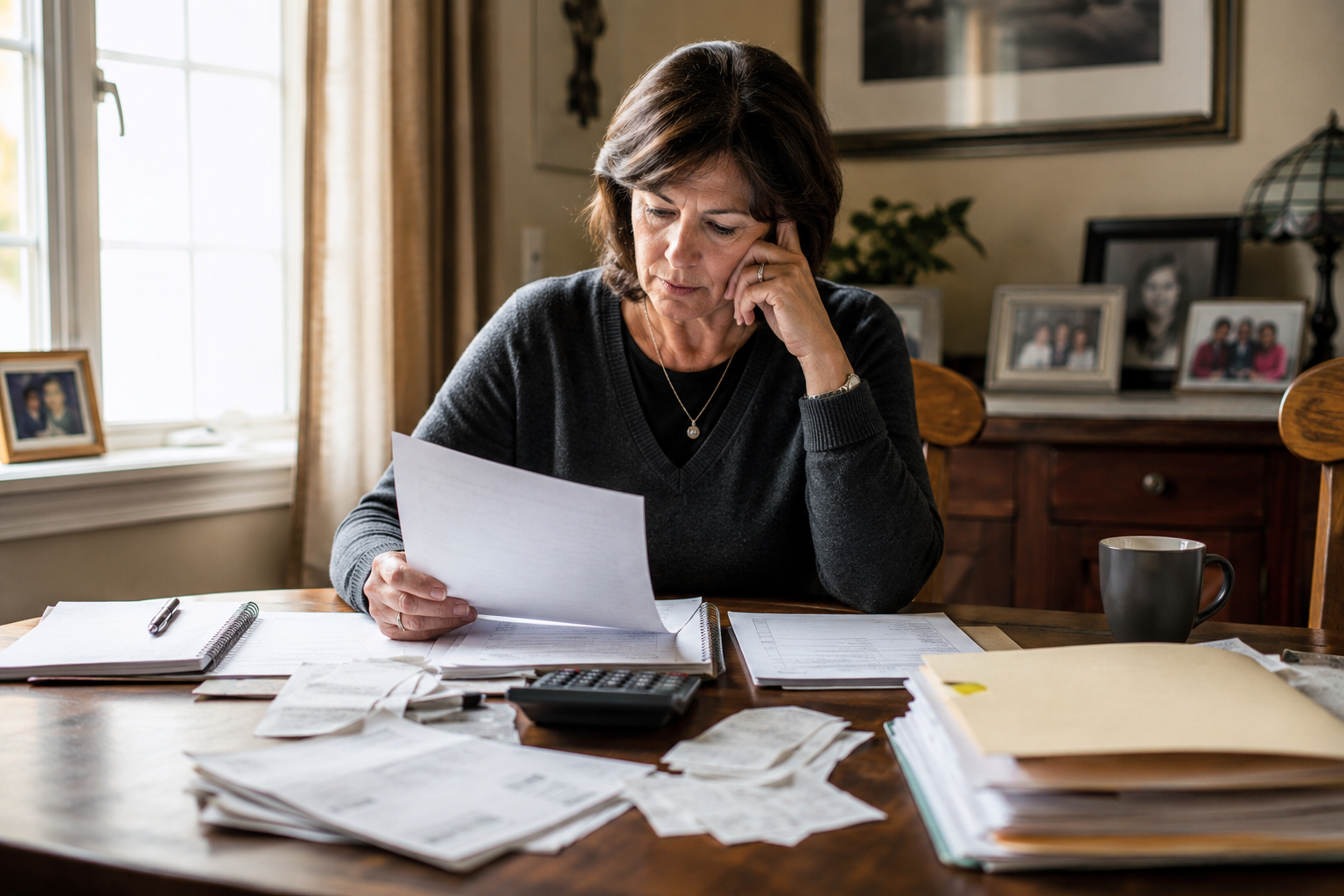
A woman sits at a wooden table reviewing financial documents with a calculator, glasses, and coffee mug nearby in a calm home setting.

Okay, you can’t really disinherit the CRA

It’s a bit of a cheeky title, I know.

You can’t really “disinherit” the CRA. If tax is owing, it’s owing. But you can take steps to reduce unnecessary tax and help ensure more of your estate goes where you intended. That matters, because a lot of people assume that once they’ve signed a will, they’ve taken care of the important planning. In reality, they usually haven’t.

A will is essential, but it doesn’t reduce tax on its own. It doesn’t automatically lower probate costs, fix outdated beneficiary designations, or bring everything together in a way that creates the best outcome for a surviving spouse, children, or other beneficiaries. That’s where more thoughtful planning comes in.

In Canada, we don’t have a U.S.-style inheritance tax. But that doesn’t mean death is tax-free. A final T1 return still has to be filed, and in many cases the person who died is treated as though they disposed of capital property immediately before death at fair market value. That can trigger capital gains tax. Registered plans such as RRSPs and RRIFs can also create a significant tax bill if they haven’t been planned for properly.

That’s the part many families don’t see coming.

They look at the estate on paper and assume a certain value will pass to family or beneficiaries. Then tax, professional fees, delays, and administrative issues start reducing what is actually left. By the time everything is settled, the outcome may look very different from what the person expected or intended.

So if the real goal is to leave more to the people and causes you care about, and less to avoidable tax and preventable loss, these are some of the areas worth paying attention to.

A will doesn’t reduce tax on its own

You can have a beautifully drafted will and still leave behind a bigger tax problem than necessary. Tax planning and estate planning need to work together. One without the other often leaves money on the table.


Start with the biggest misconception

Many Canadians use the phrase “death tax” casually, but what usually shows up at death is something more specific.

There may be tax on capital gains if investments, real estate other than a properly designated principal residence, or certain other assets have gone up in value. There may be full income inclusion on RRSPs and RRIFs if they don’t roll properly to a spouse or another qualifying beneficiary. There may also be tax on income earned up to the date of death, plus tax on income earned by the estate afterward if the estate continues to exist for a period of time.

So the conversation shouldn’t be, “How do I avoid all tax?”

It should be, “How do I avoid unnecessary tax, poor coordination, and expensive mistakes?”

That’s the smarter question.


Review beneficiary designations carefully

This is one of the easiest ways a decent plan can go sideways.

RRSPs, RRIFs, TFSAs, pensions, and insurance policies often pass outside the estate, depending on how they’re set up. Sometimes that’s helpful. But it can also create problems when beneficiary designations are old, inconsistent, or no longer fit with the rest of the plan.

For example, someone may fully intend for everything to support a surviving spouse. But if an old RRSP designation still names an adult child, that one form can change the outcome completely. The RRSP may still create tax on the final return, while the money goes straight to the named beneficiary. That leaves the estate paying the tax on an asset it never actually receives.

That’s not a small detail.

Where there’s a qualifying spouse or common-law partner, certain RRSP and RRIF proceeds may be able to roll over on a tax-deferred basis. In some situations, similar planning may also be available for a financially dependent infirm child or grandchild. But that kind of outcome doesn’t happen just because it would make sense. It depends on the facts, the paperwork, and how everything is handled.


Don’t ignore the principal residence rules

People often assume the family home is simply tax-free.

Sometimes it is. Sometimes it isn’t. Sometimes the exemption applies fully, and sometimes only part of the gain is sheltered. Even when the principal residence exemption does apply, though, that doesn’t mean there is nothing to deal with. The property still has to be reported properly, and the designation still has to be handled correctly.

This starts to matter even more when there’s a cottage, a rental property, a second home, or a home that was used partly to earn income.

A lot of tax trouble doesn’t happen because someone made a reckless decision. It happens because no one was clear on which property should be designated, or when.


Use charitable giving strategically

For people who already give charitably, this can be a very useful planning tool and it’s often overlooked.

Donations made before death may create tax credits. Donations made through the estate can as well, and in some cases those credits can be used quite strategically on the final return, the prior year’s return, or within the estate itself, depending on how the gift is structured and when it’s made. Where there is a significant tax bill at death, that can make a real difference.

That doesn’t mean everyone should start adding charitable gifts to their estate plan just for tax reasons.

But if charitable giving is already part of your values, there may be a much more effective way to do it than leaving a general instruction and hoping the executor can figure it out.


Consider whether timing and structure matter

Sometimes the issue isn’t just what you own. It’s how you own it, and when decisions get made.

Joint ownership, trust structures, corporate planning, insurance, and planned gifting can all affect the tax picture. So can the existence of capital losses. Optional returns may also reduce or eliminate tax in some estates.

This is where people sometimes go off course.

They hear one idea, usually from a friend or online, and assume it applies universally. Transfer the house. Add a child to title. Name beneficiaries on everything. Give assets away early. Those ideas can sometimes help, but they can also create family conflict, attribution issues, creditor exposure, unfairness between children, or a completely different tax problem.

Good planning isn’t about chasing clever tricks. It’s about understanding the likely outcome before you make the move.


Executors need room to do this properly

Sometimes the tax problem is really an organization problem

An executor can’t implement good tax strategy if they can’t find account statements, policy details, beneficiary forms, cost base information, or prior tax returns. Even strong planning can unravel when no one knows where anything is.

This part gets missed all the time.

Even when the planning itself was fairly solid, the executor still has a great deal to do. They have to gather information, figure out what needs to be reported, determine whether a T3 return is required, and make sure CRA has been properly dealt with before anything is distributed.

That means “disinheriting the CRA” isn’t just about what gets done before death.

It’s also about whether the executor has what they need afterward to carry things out properly and avoid mistakes that could have been prevented.

If the records are incomplete, if adjusted cost base information is missing, if beneficiary designations can’t be found, or if no one knows whether prior returns were filed correctly, any tax efficiency in the plan can start to disappear very quickly.


A little planning now can save a lot later

If you’re not sure whether your will, beneficiary designations, tax planning, and executor information are actually working together, this is a good time to take a closer look. Small gaps can turn into expensive problems later. A thoughtful review can help you spot issues early, ask better questions, and make sure the people handling your affairs aren’t left sorting through unnecessary confusion at the worst possible time.

This is exactly where a more structured review can help. I work with clients to look at how their documents, beneficiary designations, asset information, and executor preparation fit together, so there are fewer surprises, fewer loose ends, and fewer avoidable problems later on. You can learn more about that support here.

Remember, the goal isn’t to beat the tax system. It’s to avoid paying more than necessary because of outdated paperwork, poor coordination, or gaps no one caught in time.

You may never eliminate tax entirely, and most people won’t. But with better planning, you can often reduce confusion, avoid unnecessary mistakes, and preserve more of the estate for the people it was meant to benefit.

That’s really the point. If you’ve spent a lifetime building a life, caring for family, growing a business, or creating something meaningful, it makes sense to be thoughtful about what happens next.

The CRA will still get what it’s entitled to. But it doesn’t need to get more than that.


Visit our services page to see how we can help.

Watch our video here, or watch on our YouTube Channel:

Prefer a podcast? Listen here!

Please send us your questions or share your comments.

Disclaimer: This content is for general information only and is not legal, financial, medical, or tax advice.


The Butterfly Effect of Estate Planning

Young boy with eyes closed as a butterfly rests gently on his face, symbolizing how small moments and choices can have lasting effects.

How Small Decisions Can Shape What Happens Later

You’ve probably heard the butterfly effect described as the idea that something tiny, almost insignificant in the moment, can set much larger things in motion down the road. It’s usually used to explain how one small event can change the course of everything that follows. I think it’s one of the best ways to look at estate planning, because in this area of life, it’s often the smaller choices that end up carrying the greatest weight.

Most people assume estate planning comes down to the big decisions. The will. The family home. Investments, taxes, who gets what. Those things matter, of course, but they’re not usually what causes the most strain later on. In my experience, it’s the smaller details that shape what actually happens. A beneficiary designation that’s never been reviewed. An executor named without much thought. Important information scattered across three different places. A conversation that keeps getting postponed because no one wants to make things uncomfortable. Each of those things can feel minor at the time. Later, they can affect everything.

That’s where the butterfly effect becomes so relevant. Estate planning isn’t just about legal documents or financial instructions. It’s about the ripple effect created by the decisions we make and those we avoid. Something that feels small today can determine whether an estate is handled smoothly or whether it becomes more complicated, more stressful, and more emotionally exhausting for the people left behind.


How Small Gaps Become Bigger Problems

Most estate problems don’t start with one dramatic mistake. They build more subtly  than that. Someone assumes a document’s still current even though it was signed a few years ago. A family believes everyone’s on the same page because no one’s raised concerns. A parent means to get things organized but never quite gets around to it. Then illness arrives, capacity changes, or a death occurs, and suddenly those small gaps don’t feel small at all.

This is one of the reasons I think estate planning needs to be looked at more broadly. It’s not just about whether the documents exist. It’s about whether they still reflect the person’s life, whether the right people are in the right roles, whether the information someone will need can actually be found, and whether the people involved understand enough to move forward with some confidence. When those pieces are missing, the burden placed on the executor and the family can grow very quickly.

When a Will Is Updated but the Designations Aren’t

Bill updated his will after a significant change in family circumstances. He felt relieved, assuming he’d done the hard part. What he didn’t revisit are the beneficiary designations on his registered accounts and insurance policy. After his death, those assets passed according to the existing designations, not the intentions laid out in the newer will. His executor was left trying to explain why the distribution doesn’t match what the family thought had been planned. What looked like a small administrative detail turned into confusion, hurt feelings, and a very different result than anyone intended.

Bill’s situation is more common than most people realize. It’s also a good example of why estate planning can’t be treated as a one-time event. Life changes. Families change. Relationships and assets change too. Even if a will’s been updated, that doesn’t mean the rest of the plan has kept pace. It only takes one overlooked piece to alter the outcome in a meaningful way.


The Right Executor Matters

The same is true when it comes to choosing an executor. A lot of people make that decision almost on reflex. They name their eldest child, a sibling, or a close friend because it feels like the obvious choice. Sometimes it is the right choice. Sometimes it isn’t. The problem is the decision often gets made without much real thought or understanding about what the role actually involves.

An executor may need to secure property, track down assets, deal with banks and investment firms, keep beneficiaries informed, work with legal and tax professionals, manage deadlines, and make judgment calls while they’re under pressure. In a straightforward estate, that might be manageable. In a more complicated one, it can become genuinely overwhelming. If the person named isn’t organized, is in poor health, lives far away, struggles with conflict, or honestly just doesn’t want the role, the consequences ripple outward quickly.

When the Right Person Isn’t the Same as the Closest Person

Barbara named her eldest child as executor because it seems like the natural choice. He’s the oldest, lives nearby, and no one questioned it. What she hadn’t really considered is that he was already stretched thin with his own family responsibilities, dislikes paperwork, and avoids conflict whenever possible. After her death, communication breaks down, deadlines are missed, and tension grows between siblings. It wasn’t a lack of love or good intentions. It’s that a decision that appeared simple had a much greater effect later because the role and the fit were never really examined.

Often, what’s missing isn’t the document itself. It’s the conversation that should’ve gone with it. Someone may be named executor without ever being asked if they’re willing to take it on. Family members may be left with assumptions about what will happen, only to discover later that reality looks very different from what they expected. Silence creates its own ripple effect, and it’s rarely a helpful one.

That’s also why estate planning is about more than distributing assets. It’s about reducing friction. It’s about giving people direction at a time when they’re likely to be grieving, tired, and uncertain. It’s about making it easier for the people left behind to step into their responsibilities without first having to untangle confusion that didn’t need to exist.

If you already have documents in place but haven’t looked at them in years, or if you have a sense that there may be gaps between what you think is covered and what is actually there, it may be time to take a closer look. Sometimes the issue isn’t the absence of documents, but the gaps between them, the assumptions around them, or the life changes that have happened since they were signed. A more thoughtful review can help identify those areas before they become bigger problems later. For some people, that means reviewing what is already in place. For others, it means making an annual review part of the process so the plan keeps pace with life. You can learn more about how I can help at nexsteps.ca.


When No One Knows Where Anything Is

One of the most overlooked parts of estate planning is simple organization. People often assume that if there’s a will, the rest can be figured out when the time comes. Sometimes that’s true, but often it creates far more work than anyone expected. Important information may be spread across filing cabinets, email accounts, paper files, online portals, and passwords no one else can access. Accounts may be paperless. Key contacts may never have been written down. Subscriptions, digital assets, and routine financial details may be known only to the person who managed them.

That doesn’t always make the estate more complex in a legal sense, but it can make it much harder to administer in a practical one. An executor may spend weeks or even months trying to piece together what exists, what is missing, who to contact, and how to move things forward. What should have been a fairly manageable process becomes far more time-consuming and stressful simply because the information was never brought together in a way someone else could follow.

That’s also the encouraging side of the butterfly effect. If a small omission can create larger problems later, then a small, thoughtful action can also create a much better outcome. That matters, because one of the biggest reasons people put off estate planning is the belief that they need to do everything at once. They picture a major project and keep moving it down the list.

But that’s usually not how meaningful progress happens. More often, it begins with one practical step. It may be reviewing beneficiary designations, reconsidering who’s named as executor, gathering key information in one place, updating documents after a major life change, or having a conversation that’s been avoided for too long. None of those things feels especially dramatic in the moment, but they’re often the steps that make the greatest difference later.

That’s why I think the butterfly effect is such a useful way to think about estate planning. It reminds us that small choices are rarely as small as they seem. They shape what others may have to deal with later. They influence whether an executor is stepping into a manageable role or a needlessly difficult one. They affect whether a family moves through the process with clarity or confusion. And they often determine whether a person’s intentions are actually carried out the way they meant them to be.

Estate planning isn’t about controlling every future outcome, because none of us can do that. But it is about recognizing that what we do now can influence what comes later, sometimes far more than we’d expect. A missed review, an unasked question, or an unorganized file may not seem like much in the moment, but later it can be exactly what changes the course of everything that follows.

Seen that way, estate planning isn’t just a legal task or a financial exercise. It’s a series of decisions, some large and some quite small, that together shape the experience others will have when they need to step in. That’s the butterfly effect at work, and it’s one of the clearest reasons thoughtful planning matters.


Visit our services page to see how we can help.

Watch our video here, or watch on our YouTube Channel:

Prefer a podcast? Listen here!

Please send us your questions or share your comments.

Disclaimer: This content is for general information only and is not legal, financial, medical, or tax advice.


When an Inheritance Needs Guardrails

Alt text: Parent reviewing paperwork with teenage child at kitchen table, representing estate planning and trust decisions for minors.

Trusts for Minors and Vulnerable Beneficiaries

Most wills divide assets clearly. Beneficiaries are named. Guardians are appointed. On paper, everything appears settled. But when beneficiaries are minors or financially vulnerable adults, a simple outright inheritance may not provide the protection families assume it will.

An 18-year-old may legally receive funds but may not be ready to manage them. An adult dependent receiving disability benefits could unintentionally lose support if assets are transferred directly. An executor may discover they’re responsible for long term trust administration without fully understanding what that entails.

That’s why trusts for minors and dependent protection planning deserve careful attention. Families increasingly want age-based releases, disability-aware structures, and clear trustee authority. They’re not looking for complexity. They’re looking for structure that works. Because trust rules and provincial support programs vary, the specific terms must align with your province or territory.


An Outright Gift Can Create Risk

In Canada, a minor can’t simply receive and manage a significant inheritance on their own. If assets are left outright, court involvement may be required, which can add time, cost, and another layer of oversight. And even once a young person reaches the age of majority, many families still aren’t comfortable with the idea of a full lump sum being handed over all at once. The issue usually isn’t a lack of trust in the child. It’s whether the timing makes sense.

A staged trust allows funds to be held and released over time rather than all at once. While the beneficiary is still young, the trustee can use the trust to support education, health expenses, or general wellbeing. Later distributions can be tied to ages that reflect greater financial maturity.

Many families choose to structure a trust so that funds are released gradually through a person’s twenties or early thirties. Others prefer milestone based releases connected to education, housing, or other life transitions. The goal isn’t restriction. It’s pacing. Staged payouts help preserve long term stability while still allowing the beneficiary to benefit from the inheritance when it’s genuinely needed.

When a Lump Sum Came Too Early

When Tony inherited a substantial amount shortly after turning nineteen, there were no restrictions in the will and no trust structure in place. Within a few years most of the inheritance had been spent on living expenses, travel, and purchases that didn’t contribute to long term stability. His parents had intended the inheritance to support education and housing, but without a structure in place the timing worked against that goal.

A staged trust could have provided the same support while preserving more of the funds for later stages of life.


Trustee Responsibilities Are Ongoing

When a will creates a trust, the executor often becomes the trustee once the estate administration is complete. But many people underestimate how significant that role can be.

A trustee is responsible for managing the trust assets prudently and following the instructions set out in the will. That usually includes keeping detailed records, acting solely in the beneficiary’s best interest, avoiding conflicts of interest, and communicating appropriately with beneficiaries or guardians.

These responsibilities don’t disappear once the estate is settled. If a trust continues for years, those obligations continue as well.

Clear drafting helps reduce risk. The will should explain what types of expenses the trustee may pay, whether income must be distributed or can be retained in the trust, how much discretion the trustee has when making decisions, and whether professional advice is expected when investments or taxes become complex.

It should also address trustee compensation. When that piece is unclear, tension can develop later even when the trustee has acted responsibly. Precision protects both the beneficiary and the trustee.


Dependent Protection for Adult Beneficiaries

But not all vulnerable beneficiaries are minors. Some adults struggle with addiction. Others face creditor exposure or unstable relationships. Some depend on provincial disability programs that could be affected by receiving an inheritance outright. In situations like these, dependent protection planning becomes essential.

A properly structured trust can help shield assets from creditors, reduce the risk that funds are lost during relationship breakdowns, and limit access during periods of instability. It can also help preserve eligibility for disability support programs when the trust is drafted carefully.

Henson Style Planning and Disability Benefits

One structure frequently discussed in disability aware planning is the Henson style trust. The concept of the Henson Trust comes from the case of Ontario (Director of Income Maintenance) v. Henson. The decision confirmed that a fully discretionary trust may allow a beneficiary to maintain eligibility for certain disability benefits. The key factor is discretion.

If the beneficiary does not have the right to demand payments and the trustee has full authority to decide when distributions are made, the trust assets may not be considered available resources under some provincial support programs. The details vary by province or territory, which makes careful drafting essential. Families sometimes assume that leaving money “for the benefit of” a disabled child is enough. In many cases that wording alone doesn’t achieve the intended result.

An Inheritance That Interrupted Benefits

Louise, who was receiving provincial disability assistance, was left funds directly through a will. Because the inheritance was considered an available asset, the benefits program required those funds to be used before eligibility could be restored. What was meant to strengthen financial stability instead created disruption and uncertainty.

A fully discretionary trust structure may have preserved access to support while still protecting the inheritance for long term needs.


Executor and Trustee Exposure

Executors often agree to act out of loyalty. They rarely expect that a trust created in the will may require years of ongoing administration. When trusts are established for minors or vulnerable beneficiaries, responsibilities extend well beyond probate.

Trustees must maintain separate accounts for the trust, keep clear financial records, document how discretionary decisions are made, and seek professional tax or investment advice when appropriate. They’re also expected to provide reasonable transparency to beneficiaries or their guardians. Disputes don’t usually arise immediately. They tend to appear years later when expectations change or memories fade. Careful record keeping protects the trustee and demonstrates that decisions were made thoughtfully and in good faith.

If you’re reviewing your estate plan and have minor children or vulnerable beneficiaries, it’s worth taking a closer look at whether your documents actually provide the structure you think they do. This is often where careful planning makes a real difference. If you’d like support in thinking through how an inheritance may actually unfold over time, and where added structure could reduce uncertainty for both beneficiaries and executors, you can learn more about how I help families with this kind of planning through NEXsteps.


Coordinating Guardianship and Trust Planning

When minors are involved, a will typically names both a guardian and a trustee. Those roles can be held by the same person, but they don’t have to be.

Separating them can create balance. The guardian focuses on raising the child and making day to day decisions. The trustee manages the financial resources and ensures the inheritance is used according to the terms of the will.

For adult dependents, coordination with powers of attorney and other planning documents is equally important. Lifetime decision making arrangements should align with post death trust structures so that responsibilities transition smoothly. Consistency reduces confusion and helps families navigate difficult periods with greater clarity.


Why Families Are Asking for More Structure

Families today are more aware of long term financial risk. Young adults face higher housing costs and longer paths to financial independence. Disability programs are complex and vary across provinces. Executors carry significant fiduciary responsibility and are expected to manage assets carefully.

Because of that, families increasingly want staged payouts that unfold over time. They want planning that recognizes the realities of disability support programs. And they want trustee powers that are clearly defined so executors aren’t left interpreting vague instructions.

Trusts for minors and vulnerable beneficiaries are not about control. They’re about stability. When planning is thoughtful and clearly documented, an inheritance can provide support exactly when it’s needed without creating unintended complications later.


Visit our services page to see how we can help.

Watch our video here, or watch on our YouTube Channel:

Prefer a podcast? Listen here!

Please send us your questions or share your comments.

Disclaimer: This content is for general information only and is not legal, financial, medical, or tax advice.

The Flip Side of Beneficiary Designations

Two documents labeled ‘Will’ and ‘Beneficiary Designation Form’ on a wooden desk with a pen in soft natural light.

Beneficiary Designations vs. Your Will

Most people assume their will controls everything.

It makes sense. You meet with a lawyer, you sign the document, and you’ve clearly said who gets what. Done.

But there’s another part of estate planning that sits outside the will and can change the outcome: beneficiary designations.

If an account or policy has a named beneficiary, the institution will often pay that person directly after death.

That asset usually doesn’t flow through the estate, and it isn’t governed by the will.

And that’s where the confusion can start.


“But the Will Says Everything Is Equal…”

Let’s say your will says your estate is to be divided equally between your two children. On paper, that sounds fair and straightforward.

But ten years ago, when you opened an account, you named only one child as beneficiary. Maybe they helped with the paperwork. Maybe it made sense at the time. Maybe you planned to update it later. Except you never did.

When you die, that asset is paid directly to the child named on the form. It doesn’t flow through the estate, and it doesn’t get split equally, even if the will says everything is to be divided down the middle.

Now the executor is left explaining why the numbers don’t match what everyone expected. And now, things start to get uncomfortable

The “I Thought It Was Split” Estate

Laurie’s will divided her estate equally between her two sons. But she had forgotten that her life insurance policy named only one of them, a designation she completed years earlier after a divorce. The policy paid out directly to that son.

The estate was split 50/50. The insurance wasn’t. The result was an unintended imbalance and a strained sibling relationship. No one had done anything wrong. The paperwork simply didn’t align.


Why Executors Get Stuck in the Middle

From an executor’s perspective, conflicts like this can create real pressure. The executor can’t override a legally valid beneficiary designation, even if the will says something different or the outcome feels unfair.

They have to follow what’s on file with the financial institution.

In many cases, the executor often ends up dealing with questions about fairness, concerns about intent, requests to “fix” it, and delays while legal advice is sought.

All of that can slow probate and increase tension between family members.

And in many cases, it could have been avoided with regular review of the estate plan, or a clear conversation about why certain decisions were made.


The Tax Surprise Most Families Don’t See Coming

There’s another part of this that usually catches people off guard.

With most registered accounts, the tax bill doesn’t disappear just because the money goes straight to a named beneficiary. In many cases, the account is still reported on the deceased’s final return, and the estate ends up responsible for the resulting income tax.

There are important exceptions, especially when the account can roll to a surviving spouse or certain other eligible beneficiaries. But when those rollover rules don’t apply, the outcome can come as a big surprise.

No one usually plans for that outcome. But it can put the executor in a difficult position, because they’re left explaining why the numbers don’t line up.

The Tax Imbalance

Harry’s estate had three beneficiaries. One daughter was named directly on her father’s RRIF. The other two children were equal beneficiaries under the will.

The RRIF paid directly to the daughter. The income tax on that RRIF was assessed to the estate. The estate’s remaining assets were reduced to cover the tax, effectively lowering what the other two children received.

No one had done anything wrong. The documents simply had not been coordinated.


This Is Why Annual Reviews Matter

Beneficiary designations are often completed once and then forgotten. They’re set up when an account is opened, a policy is purchased, or a new job comes with that paperwork.

But life changes. Marriages change. Divorces happen. Children are born. Relationships evolve. People move. Meanwhile, the beneficiary form often stays exactly as it was when it was set up.

A simple annual review of your complete estate plan, including beneficiary designations, can prevent a lot of avoidable confusion later.

If you’re not sure whether your designations align with your will, this is exactly the kind of gap I help clients identify. Sometimes it’s not about creating new documents. It’s about reviewing what already exists and making sure it works together.

You can learn more about my services at https://nexsteps.ca/ or reach out if you would like a structured review.


Planning Should Be Aligned, Not Fragmented

Estate planning is about much more than simply drafting a will. It’s about making sure that your will reflects your intentions, that your beneficiary designations match that plan, that your executor understands how everything works, and that the tax implications have been considered.

When these pieces are aligned, probate is smoother and families experience less confusion. When they’re not aligned, the executor becomes the messenger of news no one expected.

Estate planning should reduce stress, not create it. And sometimes the most important review is not rewriting the will. It’s making sure the forms you’ve signed still reflect what you intend.


Visit our services page to see how we can help.

Watch our video here, or watch on our YouTube Channel:

Prefer a podcast? Listen here!

Please send us your questions or share your comments.

Disclaimer: This content is for general information only and is not legal, financial, medical, or tax advice.

Dementia, Capacity and Estate Planning

Older couple reviewing estate planning documents together at a wooden table in natural light.

Dementia and Capacity: What Families Need to Know

When families hear the word dementia, the first reaction is often panic.

They assume their parent can’t sign documents anymore.
They assume the will is invalid.
They assume someone needs to “take over.”

But that assumption isn’t actually how the law works.

In Canada, capacity isn’t decided by a diagnosis alone. It comes down to whether someone understands the decision they’re making and appreciates the likely consequences of that choice.

Dementia is a medical condition. Incapacity is a legal determination. They can overlap, but they aren’t automatically the same thing.

When families don’t understand that distinction, it can lead to unnecessary tension, rushed decisions, and sometimes court processes that might have been avoided with clearer planning.


Capacity Is Decision-Specific

Capacity isn’t all-or-nothing.

A person might still be perfectly able to decide where they want to live, express their medical wishes, or manage everyday banking. At the same time, they may struggle with more complex decisions, like restructuring investments, transferring property, or changing their will.

That doesn’t mean they’ve lost capacity altogether. It means capacity can be decision-specific.

In Canada, the legal question is fairly straightforward. Does the person understand the information relevant to the decision? And do they appreciate the consequences of that choice?

That’s what matters.

It isn’t about whether they occasionally forget an appointment. It isn’t about repeating a story. And it isn’t about the label attached to a diagnosis.

Capacity can also fluctuate. Someone may be sharp and clear in the morning, then tired and confused later in the day. That variability is one of the reasons early documentation is so important. It provides clarity at a time when clarity still exists.


When Planning Waits Too Long

“We Thought There Was More Time”

Sandra noticed her mother was becoming forgetful. Nothing dramatic, just small changes. They kept putting off updating the power of attorney because “she’s still mostly fine.”

Six months later, her mother could no longer clearly understand financial documents. The lawyer wouldn’t proceed. The family had to apply to court for trusteeship. It took months, legal fees added up, and tension between siblings escalated.

The difficult part? If they’d acted earlier, a simple enduring power of attorney likely would have avoided the entire process.

Once capacity is gone, options narrow quickly.


Proactive Planning Protects Independence

When dementia is diagnosed, families often feel an immediate urge to step in and protect. That instinct usually comes from love, and from fear.

But planning at this stage isn’t about taking control away. It’s about preserving choice while choice is still firmly in place.

If someone still has capacity, this is the window to put thoughtful safeguards around them. That might mean creating or updating an Enduring or Continuing Power of Attorney, putting a Personal Directive or Representation Agreement in place, reviewing a will, confirming beneficiary designations, or simply organizing financial and digital information so nothing is left uncertain.

In most Canadian provinces, an Enduring Power of Attorney allows a trusted person to manage financial matters if capacity is later lost. A Personal Directive appoints someone to make personal and healthcare decisions. The names of the documents vary by jurisdiction, but the purpose is consistent. They allow someone to step in with legal authority when needed, without removing independence prematurely or requiring a court application.

What matters most is timing. When these documents are signed while capacity is clearly intact, the individual chooses who will step in. Their voice guides the structure. If planning is delayed too long, that choice may no longer be theirs, and it can shift to a court process instead.


The Risk of Undue Influence

Cognitive decline increases vulnerability. Even subtle impairment can raise questions later.

If a will is changed after a dementia diagnosis, family members may question whether the person truly understood what they were signing. If a new beneficiary appears on an account, suspicions can arise.

Even when intentions were genuine, lack of medical documentation can open the door to litigation.

I’ve seen families torn apart not because anyone acted dishonestly, but because capacity wasn’t clearly documented at the time decisions were made.

That’s avoidable.


When Independence Is Removed Too Quickly

Protection or Overcorrection?

When Steven was diagnosed with early-stage dementia, his adult children immediately insisted he could no longer manage any finances. They pressured their mother to “take over everything.”

In reality, he was still capable of understanding most day-to-day decisions. The abrupt loss of control caused resentment and distress. Family relationships suffered.

With clearer guidance and documentation, they could have structured oversight gradually instead of removing independence overnight.

Capacity doesn’t disappear overnight. Planning should respect that reality.


When Court Applications Become Necessary

If capacity is lost and no valid documents are in place, families are often left with one option: applying to the court for guardianship, trusteeship, or committeeship, depending on the jurisdiction.

That process can take time. It usually requires medical assessments, formal applications, and often legal support. There can be waiting periods. Sometimes there are disagreements about who should be appointed.

It’s rarely just administrative.

It can be stressful. It can strain relationships. And it often unfolds at a moment when a family is already dealing with grief, uncertainty, or change.

Most importantly, when it reaches that stage, the individual no longer gets to choose who will act for them. The decision shifts out of their hands.


This Is Where Clarity Matters

This is usually the point where families feel uncertain.

They’re not sure whether capacity still exists. They’re not sure which documents are already in place. They don’t want to overstep, but they also don’t want to ignore something important.

That’s why reviewing things early makes such a difference.

If you’re supporting a parent or spouse and you’re unsure where things stand, it’s far easier to look at the documents now while clarity still exists than to sort it out during a crisis.

You don’t need to take over. You need to understand what’s there, what isn’t, and what might need attention.

If you’d like help preparing for those conversations or organizing next steps before anything urgent happens, you can learn more about how I support families at https://nexsteps.ca/.

When everyone understands the plan, decisions tend to feel calmer and more measured, and family misunderstandings are less likely to occur.


Can They Still Make a Will?

One of the hardest questions families face is this: can someone with dementia still make or update a will?

The answer isn’t automatic.

A diagnosis on its own doesn’t cancel a will or prevent someone from making one. What matters is whether they understand what they’re doing at the time they sign it.

That usually means understanding what they own, who might reasonably expect to benefit, and how their choices will affect the people around them.

Sometimes that clarity is still there. Sometimes it isn’t.

When there’s any uncertainty, lawyers will often recommend a medical assessment at the time the will is signed. It may feel uncomfortable in the moment, but that extra step can prevent conflict later.

This is where timing becomes so important. Waiting too long can remove options. Acting carefully, while capacity is still present, can preserve them.


Balancing Protection and Dignity

Families navigating dementia are usually carrying more than logistics. There’s love in it. There’s responsibility. And sometimes there’s guilt.

They don’t want to step in too soon. They don’t want to take something away that still belongs to the person they care about. At the same time, they’re worried about mistakes, vulnerability, or someone taking advantage.

It’s not an easy place to be.

The conversation isn’t about control. It’s about getting the balance right. How do you protect someone without diminishing them? How do you prepare for change without acting as though change has already happened?

Those discussions are much easier when they happen early, while clarity still exists and decisions can be made thoughtfully instead of under pressure.


A Diagnosis Isn’t the End of Autonomy

A dementia diagnosis doesn’t automatically take away someone’s legal rights. It doesn’t mean they can’t make decisions. And it doesn’t invalidate documents that were properly signed.

What it does mean is that timing becomes more important.

There may still be an opportunity to put the right documents in place, to review what already exists, and to make decisions while clarity is present. That opportunity doesn’t last forever.

When families wait until capacity is clearly gone, their options will narrow. Decisions become reactive. Stress increases.

In many cases, the difference between a difficult transition and a manageable one comes down to when those conversations begin.


Visit our services page to see how we can help.

Watch our video here, or watch on our YouTube Channel:

Prefer a podcast? Listen here!

Please send us your questions or share your comments.

Disclaimer: This content is for general information only and is not legal, financial, medical, or tax advice.

AI: Executor Superpower or Liability?

Executor’s desk with laptop, estate documents folder, and checklist, representing AI tools supporting estate administration.

AI Estate Administration: What Executors Need to Know

Executors are increasingly using AI tools to help them manage estate work. Not necessarily because they are interested in technology, but because they find themselves overwhelmed.

They’re facing unfamiliar documents, long email chains, confusing instructions from institutions, and timelines that feel unclear. When someone suggests that AI can summarize information, draft emails, or help organize tasks, it feels practical. Even responsible.

And sometimes, it is.

As AI estate administration tools become more visible, what is becoming increasingly clear is that AI changes how executors work in ways that aren’t always obvious. Some of the tools can genuinely help. Others can create new risks around accuracy, privacy, and liability that executors don’t always see until later.

This isn’t a technical discussion. And it’s not about whether AI is good or bad. It’s a practical one. Because how executors use these tools can affect how defensible their decisions are, and how exposed they may be if something goes wrong.


Where AI Can Be Helpful In Estate Administration

Used carefully, AI can help with organizing information and keeping track of details. But it doesn’t replace an executor’s judgment or responsibilities.

Executors are using AI to:

  • Summarize long email threads or meeting notes
  • Turn scattered information into task lists
  • Draft neutral, professional messages to institutions or beneficiaries
  • Reword technical explanations into plain language for their own understanding

In these situations, the executor is still making decisions. The tool is helping them process information they already have.

For many people, that kind of support can reduce stress and help them feel more confident moving through unfamiliar territory.

Bernice’s Experience

Bernice, as executor of her father’s estate, was juggling more than thirty emails between a lawyer, a realtor, and two beneficiaries about selling the family home. She used an AI tool to condense the email thread into a short summary and create a simple checklist of next steps. The original emails stayed in her files, and she still checked key details against the source messages. The AI did not make decisions for her, but it helped her see the sequence of tasks more clearly so she could move things forward with less stress.


Where Problems Start To Appear

The line usually gets crossed when AI moves from organizing information to interpreting it.

AI tools don’t automatically know which province or territory an estate is in, or which laws apply, unless you explicitly tell them. Even when you do, they are not checking a live legal database or interpreting court decisions. They generate responses based on patterns in text, which means they can be wrong, out of date, or incomplete about legislation, rules, or how a specific clause has been interpreted.

They generate responses based on patterns, not legal responsibility.

That can be dangerous when an executor assumes an answer is reliable because it sounds authoritative.

Privacy is another area where risk is not always obvious. Executors handle deeply personal information: financial records, SINs, medical details, and family conflict. Uploading documents or detailed information into public AI tools can expose that data in ways the executor did not intend or fully understand.

Adam’s Problem

When Adam was named executor he thought he could turn to AI for help. He uploaded a scanned will and several bank statements into an AI tool to get a quick summary and checklist. Later, when a beneficiary questioned how personal information had been handled, Adam couldn’t clearly explain where the data had gone or whether it had been stored. What felt like a harmless efficiency step turned into a privacy concern.

There’s also the issue of record-keeping. Estate administration isn’t just about doing the right thing. It’s also about being able to demonstrate how decisions were made.

AI generated summaries don’t always show their sources. If a decision is challenged, an executor still needs original documents and a clear paper trail. An AI output on its own does not provide that.


The Fiduciary Obligation Doesn’t Change

Executors aren’t expected to be experts. But they are expected to act prudently.

That includes:

  • Verifying information before acting on it
  • Protecting confidential estate information
  • Knowing when something crosses into legal or tax advice
  • Keeping clear and defensible records

AI doesn’t change or reduce those responsibilities. It doesn’t share liability. If an error occurs, the executor is still accountable.

This is often the point where executors realize they don’t need more tools. What the need is clarity about where the risks are.

If you’re acting as an executor and are unsure whether AI is helping or creating risk, now is a good time to get professional guidance. As a Certified Executor Advisor, I regularly help executors sort out what they can safely handle themselves and where they should seek legal or tax advice.  You can contact me through NEXsteps to book an Executor Clarity Consultation. A short conversation early on can prevent much bigger problems later.


A Tool, Not A Substitute

AI is not something executors need to avoid entirely. But it’s not a shortcut through responsibility either.

Used thoughtfully, it can help with organization and communication. Used casually, it can introduce errors, privacy exposure, and defensibility issues that might not surface until someone starts asking questions.

Estate administration still depends on judgment, documentation, and accountability. That hasn’t changed. AI just makes the boundaries easier to miss.


Practical Guardrails When Using AI As An Executor

If you decide to use AI during estate administration, it helps to be deliberate. A few simple habits can make a real difference to how safe and defensible your decisions are.

Before you type anything into an AI tool, ask yourself:

  • Am I asking for help with wording and organization, or am I asking for legal or tax advice?
  • Do I really need to include names, account numbers, or other identifiers, or can I describe the situation in general terms?
  • Do I know how I will double check the answer for accuracy before acting on it?

If those questions make you hesitate, that may be a sign the task belongs with a professional advisor, not a software tool.

Treat AI outputs as working notes, not final instructions. Keep copies of key documents, emails, and calculations in your own files, and make sure you can show how you moved from the original information to the decisions you made. If you ever have to explain your choices to a beneficiary, lawyer, or court, that paper trail will matter more than any AI chat history.

And remember: You don’t have to use AI at all. For some executors, a simple notebook, a folder system on a computer, and a clear checklist is enough. The right approach is the one that helps you stay organized while still protecting the estate and the people who depend on it.

Jurisdiction note: Privacy, liability, and professional use rules vary by province and territory. Executors should confirm how local rules apply to their specific situation.


Visit our services page to see how we can help.

Watch our video here, or watch on our YouTube Channel:

Prefer a podcast? Listen here!

Please send us your questions or share your comments.

Disclaimer: This content is for general information only and is not legal, financial, medical, or tax advice.

When the Heirs Are Four-Legged

Dog resting near estate planning paperwork in a home office

Pets, Estate Plans, and What Actually Happens

Most people don’t think of their pets as part of their estate plan.

They think of them as family. As companions. As the constant presence in their day-to-day life. And because of that, pet planning often gets reduced to a sentence or two, or an assumption that someone who loved your pet will step in and take care of things.

Usually, that assumption sounds something like this:

“My daughter will take the dog.”
“A friend will look after the cat.”
“It won’t be complicated.”

Sometimes that’s true. But when it isn’t, the consequences land squarely on the executor.


How Pets Are Treated Versus How People Plan

Legally, pets are treated as property. Although many people know that, they don’t plan with it in mind.

Instead, they plan based on relationships and trust. They assume that because someone loves animals, or loves them, things will naturally work out. There’s often no discussion about costs, timing, medical decisions, or what happens if circumstances change.

What looks simple from the owner’s point of view can become very unclear once the estate is being administered.

Executors are the ones left to figure out practical questions like:

  • Who is responsible for the pet right now?
  • Who is paying for food, grooming, and veterinary care?
  • Who can authorize treatment if something happens?
  • What happens if the named caregiver can’t or won’t step in?

These questions come up early, often before probate is even granted, and they have to be addressed whether the executor feels prepared or not.

Pet planning gaps don’t show up later. They show up immediately.

Executors are often dealing with pets within days of a death. When instructions are unclear, decisions still have to be made, and someone has to take responsibility.


What Executors Are Actually Dealing With

Until a pet is transferred to a new caregiver, the executor is effectively responsible for its welfare.

That can mean arranging temporary care, approving veterinary treatment, and dealing with costs during the period when the executor may not yet have access to estate funds. It can also mean navigating family dynamics when different people have different opinions about what should happen.

  • One person wants to spare no expense.
  • Another questions every dollar spent.
  • Someone else doesn’t want the pet at all.

Without clear direction, the executor is left trying to balance animal welfare, estate funds, and family expectations, all at the same time.

This is where pet planning stops being about love and starts being about logistics.

When there’s no plan, the executor still has to act

I worked with an estate where the deceased had a senior dog with ongoing medical needs. The will named who the dog was to go to, but there were no instructions and no funds set aside. The named person lived out of province and couldn’t take the dog right away.

During that gap, the executor was approving veterinary care, paying boarding costs, and responding to questions from beneficiaries about why estate money was being spent.

From a legal standpoint, the questions weren’t unreasonable. The issue wasn’t the executor’s judgment. It was the lack of clear authority and instructions in the plan.

In situations like this, executors often find themselves having to explain and justify decisions after the fact, even when those decisions were unavoidable.


Why Pet Trusts Are Gaining Traction

Pet trusts aren’t new, but they’re being talked about more for practical reasons.

Veterinary care is far more expensive than it used to be. Diagnostics, specialty care, medications, and emergency treatment are now common, not exceptional. What might once have been a manageable expense can quickly become a long-term financial commitment.

Pets are also living longer. It’s not unusual for a dog or cat to need care for many years after an owner’s death.

From an executor’s perspective, this matters. Without designated funds or clear authority, paying for ongoing care can become contentious very quickly.

A properly structured pet trust can help by setting aside funds specifically for the pet and outlining how those funds are to be used. It can also provide oversight so the executor isn’t left policing spending or defending decisions.

That said, pet trusts are not treated the same way everywhere. Their validity and enforcement vary by province and territory, which is why legal advice is essential before relying on one.


Informal Arrangements Don’t Hold Up Under Pressure

Many people rely on informal arrangements. A conversation over coffee. A casual agreement with a friend or family member. A belief that goodwill will carry the day.

The problem is that informal arrangements aren’t enforceable.

People’s circumstances change. Health changes. Housing changes. Financial situations change. Someone who once said yes may no longer be able to follow through.

When that happens, the executor is left scrambling for alternatives, often under time pressure and with limited options.

This is where written instructions matter. Even when a full pet trust isn’t appropriate, detailed guidance paired with properly drafted documents gives executors something solid to rely on.

Good intentions don’t give executors authority

When plans rely on assumptions instead of instructions, executors are left making decisions without protection, clarity, or support.


Planning Beyond “Who Gets the Pet”

Thoughtful planning goes beyond naming a new owner.

It looks at the realities of care and decision-making. It asks questions that don’t always feel comfortable, but matter a great deal once the owner is gone.

Questions like:

  • Does the caregiver share similar views on veterinary intervention and end-of-life decisions?
  • Are there funds set aside, and are they realistic?
  • What happens if the caregiver can’t continue?
  • Who has authority if there’s disagreement?

When these questions are answered in advance, executors aren’t left guessing, and families aren’t left arguing.


A Reality Check for Pet Owners and Executors

If you’re a pet owner, it’s worth asking yourself whether your plan is clear, or whether it relies on trust and assumptions.

If you’ve been named executor, it’s worth asking whether you actually know what the person expects you to do if a pet is involved.

Many people don’t realize how much extra responsibility pets can add to an executor role. Not every executor is comfortable making animal welfare decisions, especially when money or family tension is involved.

That isn’t about willingness. It’s about preparedness.


A Practical Step Forward

Pet planning doesn’t have to be complicated, but it does need to be intentional.

That usually means:

  • Clear caregiver choices, with backups
  • Realistic funding for care
  • Written instructions an executor can rely on
  • Alignment with provincial law

This is where a review can make a real difference, before anyone is forced to act under pressure.

If you’re unsure whether your current plan truly protects your pets, or if you’ve been named executor and aren’t clear on what’s expected of you, this is something worth looking at sooner rather than later. A one-one-one consultation can help you think through these decisions in a practical, grounded way. You can learn more at https://nexsteps.ca/.


Why This Matters Now

With rising pet ownership, higher veterinary costs, and increasingly complex family dynamics, vague pet planning creates real risk.

  • Executors can face delays and conflict.
  • Caregivers can face unexpected financial strain.
  • Pets can face uncertainty at the worst possible time.

Clear, intentional planning reduces all of that.


Closing Thoughts

When heirs have four legs, assumptions aren’t enough.

Clear instructions, realistic funding, and enforceable structures make it easier for executors to do their job and for pets to be cared for as intended.

If your estate plan hasn’t addressed pets beyond a sentence or two, this is an area worth revisiting. Not because something will definitely go wrong, but because when it does, it happens fast.


Visit our services page to see how we can help.

Watch our video here, or watch on our YouTube Channel:

Prefer a podcast? Listen here!

Please send us your questions or share your comments.

Disclaimer: This content is for general information only and is not legal, financial, medical, or tax advice.

YouTube
YouTube
LinkedIn
LinkedIn