The Secrets We Keep: Talking About Death and Money

The Secrets We Keep: Talking About Death and Money

The Secrets We Keep: Silence Around Life’s Biggest Topics

We live in a world that encourages sharing everything: photos, opinions, milestones. But when it comes to life’s most personal matters, many of us fall silent. The secrets we keep often revolve around the very topics that shape our lives the most: death, money, aging, and the realities of what happens after we are gone. We hesitate to discuss them because they feel uncomfortable or too private, but staying quiet does not make them disappear. In fact, it often leaves our loved ones unprepared, unsure, and struggling to fill in the blanks we never spoke aloud.


Why We Keep Secrets

It is easy to understand why we hesitate to open up. Talking about death feels heavy. Talking about money can feel awkward. Talking about aging reminds us of our own vulnerability.

Some people worry that discussing their will might create family tension. Others fear being judged for their choices, who they name as executor, or how they divide their assets. Many simply do not know how to start the conversation, or assume everyone will figure it out when the time comes.

But these silences come at a cost.

Anika’s Silence

Anika, a retired engineer, spent years ensuring her finances were in order. She chose her cousin Ravi as executor, believing he was the logical choice. What she never did was tell him. When Anika passed away suddenly, Ravi suddenly discovered his new role. He was grieving, overwhelmed, and unaware of what being an executor required. Documents were scattered, timelines were missed, and emotions ran high. Anika’s silence, though unintended, created avoidable stress for her family. A single conversation could have prevented it.


The Cost of Keeping Quiet

We tell ourselves that silence spares our families, but in reality, it can leave them questioning everything. Consider these issues and potential repercussions:

  • If you passed away tomorrow, would your executor know where to find your will, passwords, and key documents?
  • If you became incapacitated, would your loved ones know your wishes for healthcare or end of life care?
  • Have you told the person you have named as executor that you have chosen them, and what that really means?
  • Do your children understand your financial situation well enough to handle what comes next?
  • Have you explained why you made certain choices in your will, so your reasoning is understood, not resented?
  • If your will or beneficiary designations could surprise someone, have you explained the intent behind those decisions to prevent hurt feelings later?
  • Could a trusted person access critical information quickly, such as your advisor’s contact details, insurance policies, and the location of original documents?
  • If you needed help during life due to illness or incapacity, would the right people know how to step in under your Enduring Power of Attorney or Personal Directive?

Each of these questions opens a door. Behind that door lies peace of mind for both you and the people you love.

Keeping your will or estate plan secret may feel like control or simply sparing your family uncomfortable feelings. But when you are no longer here to explain your reasoning, that control evaporates, replaced by uncertainty and speculation. And the uncomfortable feelings you were hoping to spare for your family? Well, now things are much more difficult for them. In the absence of communication, families often fill in the blanks with assumption, emotion, and sometimes even suspicion.

I have seen it many times. An executor left wondering if they are doing it right. Siblings questioning whether a parent played favourites. Friends confused by sudden responsibility. All of it preventable with transparency and trust.


Why We Need to Talk About It

Estate planning is not just about legal documents. It is about family communication and legacy. When we open up about our wishes, we create understanding. We also reduce stress for the people who will someday have to act on our behalf.

Here is what that can look like in practice:

Tell your executor: Do not just name them in your will, talk to them. Explain what the role involves, where documents are kept, and what support they can access.

Share the basics: You do not need to reveal every financial detail, but letting your loved ones know where to find key information is essential.

Have the tough conversations: Choose a calm setting. Let everyone know your goal is clarity, not confrontation.

Explain your reasoning: Even a brief explanation of why you made certain choices, like appointing a specific executor or distributing assets a particular way, can prevent future misunderstandings.

Update regularly: Relationships evolve, laws change, and so do wishes. Review your documents and discussions every few years.

Put it in writing: Documenting your intentions ensures that your words are not lost or misremembered.

Paul and Mei’s Misunderstanding

Paul and Mei, a couple in their seventies, believed their estate planning was in perfect order. Each had a will naming the other as primary beneficiary and their daughter as executor. After Paul’s passing, Mei discovered that one of his investment accounts, which she thought was held jointly with her, was actually in joint tenancy with Paul’s son from a previous marriage. That account passed directly to the son outside of the estate, bypassing Mei and creating deep family tension. Their daughter, now executor, was left trying to balance legal obligations with hurt feelings on both sides. The situation could have been avoided if Paul had reviewed ownership details and discussed them openly with Mei while he was still alive.

Openness does not mean losing control. It means taking control by making sure the people you trust have the knowledge they will need when the time comes.


A Culture of Secrecy vs. A Legacy of Openness

For many Canadians, estate planning conversations are limited to a lawyer’s office and a locked drawer. But imagine the relief your loved ones would feel if they did not have to guess what you wanted.

Talking about death does not invite it. Talking about money does not make you greedy. Talking about your will does not start family conflict, it can actually prevent it.

When we shift from secrecy to openness, we start building a legacy of understanding. It changes how families experience grief, because they are not left in the dark. Instead, they can focus on celebrating your life, not decoding your paperwork.


Breaking Generational Patterns

Many of us come from families where these conversations never happened. We learned to avoid taboo topics out of respect, or fear of causing upset. But breaking that pattern can be one of the most meaningful gifts you leave behind.

Start by asking yourself:

  • What values do I want to model for my family?
  • Do I want them to remember me for what I gave, or for how I helped them through?
  • What legacy do I want to pass on, not just in assets, but in peace of mind?

Practical First Steps

If you are ready to stop keeping secrets about your estate planning:

  • Write it down. Start by listing what exists and what you want for your will, Enduring Power of Attorney, Personal Directive, and any key accounts.
  • Choose your circle. Identify who needs to know what, and when.
  • Schedule a conversation. It does not have to be dramatic. A simple “I would like to share where things are, just in case” is enough.
  • Seek guidance. Working with a Certified Executor Advisor or estate professional can make these discussions easier and more structured.
Ready to Open the Conversation?

If you have realized it is time to stop keeping your plans a secret, visit NEXsteps.ca to explore practical tools and guidance. A clear, confident plan today helps ensure that your legacy, financial and emotional, is handled exactly as you intend. At NEXsteps, I often tell clients that clarity today prevents crisis tomorrow. It is not just about legal compliance, it is about emotional preparedness.


A Legacy of Understanding

We often assume that keeping our affairs private is a sign of strength, but in truth, openness is the greater act of love. When you share your plans, you replace uncertainty with confidence, and confusion with calm. Our secrets might feel like they protect us, but when it comes to estate planning, secrecy often protects no one.

So maybe it is time to talk. Sit down with those you trust and say, “Here is what I have planned. Here is what matters most to me.” Because legacy is not only about the things we leave behind, it is about the peace we leave behind too.


Visit our services page to see how we can help.

Watch our video here, or watch on our YouTube Channel:

Prefer a podcast? Listen here!

Please send us your questions or share your comments.

Disclaimer: This content is for general information only and is not legal, financial, medical, or tax advice.

The Executor’s Guide to Handling Family Conflict

The Executor’s Guide to Handling Family Conflict

Family Conflict and the Executor’s Dilemma

Being named an executor can feel like both an honour and a burden. It’s a sign of trust. Someone believed in your judgment enough to put you in charge of managing their final wishes. But when grief and family conflict intersect, even the most organized plans can unravel. Family conflict and the executor’s dilemma often go hand in hand, creating tension between emotional loyalties and legal obligations. Between grieving relatives, paperwork, and deadlines, executors frequently find themselves caught between heart and duty.

It’s a role that demands organization, diplomacy, and resilience. And while many resources explain what executors must do, few talk about how to navigate the emotional landscape that comes with it.


When Legal Duty Meets Family Emotion

The executor’s primary responsibility is to administer the estate according to the deceased’s will and applicable laws. In Canada, this means handling everything from funeral arrangements and paying debts to distributing assets and filing tax returns.

But those administrative tasks often collide with family emotion. Sibling rivalries resurface. Grief magnifies long-standing resentments. Suddenly, the executor, who may also be a son, daughter, spouse, or close friend, becomes both administrator and peacekeeper.

A typical scenario might look like this: One sibling wants the estate settled quickly, another demands a detailed accounting before signing anything, and a third accuses the executor of “taking sides.” Meanwhile, financial institutions, lawyers, and the Canada Revenue Agency expect documents filed on schedule. It is little wonder many executors describe the experience as “the hardest job I never applied for.”


Understanding the Executor’s Dual Role

Executors often wear two distinct hats: one fiduciary, and one familial. Legally, they must act with impartiality and diligence, managing assets for the benefit of all beneficiaries. Emotionally, they may feel pulled toward fairness, compassion, or even guilt.

Recognizing this dual role is the first step toward managing it. Executors who approach the job as both an administrative process and a human one tend to experience fewer disputes and less personal stress.

Clear Roles Prevent Confusion

Amir agreed to act as executor for his aunt’s estate. His cousin expected daily updates and tried to approve every payment. By setting a simple communication schedule and explaining that the executor makes administrative decisions while beneficiaries receive regular summaries, Amir reduced tension and kept the estate on track.


Common Emotional Challenges Executors Face

Even the most capable executors find that the hardest part of the job is not the paperwork, but the people. Emotions run high after a death, and relationships that were once calm can become fragile or contentious. Understanding these emotional challenges can help you prepare and respond more effectively.

1. Grief and Emotional Fatigue
Even the most capable executor can be blindsided by grief. Emotional fatigue makes decision-making harder, and tasks like clearing a home or dividing personal items can trigger unexpected sadness.

2. Conflict and suspicion
Family members may question motives, challenge decisions, or interpret neutrality as betrayal. If the executor is also a beneficiary, others might suspect self-interest even when actions are fair.

3. Pressure from all sides
Lawyers and accountants need prompt signatures, and family members want answers. Executors may feel trapped between professional deadlines and personal compassion.

4. Guilt and second-guessing
Many executors agonize over whether they are doing it right, especially when decisions have financial or emotional consequences. This guilt can lead to indecision and burnout.

Keepsakes, Not Just Cash

Two sisters argued for weeks about the contents of their mother’s jewellery box. Rather than rushing a decision, the executor encouraged an open conversation about which items held the most meaning for each of them. Once they reached an understanding, the executor documented the agreement, ensuring clarity and fairness for everyone.

If you need a neutral third party to guide communicate with beneficiaries, book an Estate Conflict Coaching session.


Practical Steps to Navigate the Dilemma

While no two families are alike, there are practical strategies that can help you stay grounded and fair throughout the process. Executors who apply structure and transparency often find that it diffuses tension and promotes trust among beneficiaries.

1. Communicate early and often
Transparency prevents many misunderstandings. Set the tone with an initial family meeting, in person or virtual, to outline your responsibilities, timelines, and next steps. Keep everyone informed as you progress. Even a short update can ease tension.

2. Keep impeccable records
Every cheque written, bill paid, and email sent should be documented. This not only protects you legally but also builds trust with beneficiaries who may question decisions later.

3. Separate emotion from obligation
When possible, lean on professionals such as lawyers, accountants, or Certified Executor Advisors for objective advice. Having a neutral voice helps diffuse emotional intensity and ensures compliance with estate laws.

4. Set clear boundaries
It is acceptable to tell family members, “I understand how you feel, but I have to follow the will and legal requirements.” Executors are not therapists, though it may feel that way at times. Setting limits protects both your mental health and the estate’s integrity.

5. Seek support
Executor burnout is real. Joining a support group or working with an advisor experienced in estate administration can provide clarity and emotional balance. It is not a sign of weakness; it is a sign of wisdom.

Subscribe to The Estate Files on Substack


Lessons from Real-World Examples

A few years ago, a woman named Helen was named executor of her father’s estate. The will was clear, but emotions were not. Her two brothers disagreed about selling the family cottage, and one accused her of rushing to close the estate. Helen handled it by involving a neutral third-party mediator. The process took longer, but by maintaining transparency and fairness, she preserved both family harmony and legal compliance.

Contrast that with another estate where no communication took place. The executor, Tom, trying to avoid drama, made all decisions privately. When beneficiaries discovered changes to the asset valuations months later, mistrust erupted. The estate ended up in mediation, costing both time and family relationships.

These examples highlight a universal truth: estate administration is not just about numbers; it is about people.

Document the Small Steps

Mark kept a simple log of every task he completed as executor, from cancelling utilities to obtaining appraisals. When a beneficiary later questioned delays, the log and receipts showed a clear timeline and costs. The concern was resolved without escalation.


Why Executors Need Emotional Intelligence

Executor duties require logic and structure, but emotional intelligence often determines success. Empathy, patience, and communication are just as critical as spreadsheets and signatures.

  • Diffuse tension through understanding and calm responses
  • Anticipate conflicts before they escalate
  • Support grieving beneficiaries without taking on their pain
  • Recognize when to pause for self-care or seek professional guidance

Executors who develop these soft skills find the role less isolating and more meaningful. After all, they are not just managing an estate; they are stewarding a legacy.


When to Ask for Help

If the role becomes too stressful or complicated, executors can hire professional assistance. Estate consultants, accountants, lawyers, or Certified Executor Advisors can help with tasks such as:

  • Probate applications
  • Tax filings and clearances
  • Asset valuation and sale
  • Mediation or conflict resolution

In most provinces, executors are entitled to claim reasonable compensation for their time and effort, often referred to as executor fees. The amount varies by provincial guidelines and the complexity and value of the estate. Keeping detailed records of hours and tasks helps justify the compensation and ensures transparency with beneficiaries.

If you’ve been named executor and aren’t sure where to begin, I can help you create a clear, personalized roadmap. Visit NEXsteps to learn about our helpful resources or book a complimentary initial consultation.


Protecting Yourself as Executor

Serving as an executor carries legal responsibilities that can expose you to personal risk if not handled carefully. Protecting yourself is not about distrust; it is about ensuring the estate is managed properly and that your own interests remain safeguarded throughout the process.

  • Obtain formal authority, such as probate or court confirmation, before acting.
  • Avoid personal financial entanglements by keeping estate funds separate.
  • Keep communication professional and written. Emotions fade, but documentation lasts.
  • Consult experts before making major financial decisions, such as selling real estate or distributing investments.
  • Know your limits. If the role feels overwhelming, step aside early. It is better to decline than to falter.

The Bigger Picture: Turning Duty into Legacy

Executors often see only the responsibility, not the reward. But fulfilling this role well can bring a quiet sense of accomplishment. You are not just closing an estate; you are carrying out a person’s final act of trust. Handled thoughtfully, executor duties can even strengthen family relationships. By communicating clearly, staying transparent, and balancing compassion with accountability, executors can guide families toward closure rather than conflict.

Ultimately, the executor’s dilemma is not just about balancing emotion and law; it is about honouring both.

Visit our services page to see how we can help.

Watch our video here, or watch on our YouTube Channel:

Prefer a podcast? Listen here!

Please send us your questions or share your comments.

Disclaimer: This content is for general information only and is not legal, financial, medical, or tax advice.

Estate Planning Nightmares and How to Avoid Them

Estate Planning Nightmares and How to Avoid Them

The Real Frights Behind Estate Planning Nightmares

Every October, we decorate our homes with cobwebs, pumpkins, and plastic skeletons. We expect a little fright during Halloween, even if the only ones trying to spook us are kids dressed as ghosts and superheroes. The real chills start when there’s no estate plan in place.

What’s scarier than Halloween? For me, it’s discovering that someone has passed away without a will, an executor plan, or even the faintest idea of where their paperwork is. Ghosts don’t scare me. But probate delays, family feuds, and missing documents? Those can keep anyone up at night.

So, in the spirit of the season, let’s peek into a few estate planning nightmares, true-to-life tales that remind us why proper planning matters far more than carving the perfect jack-o’-lantern.


Nightmare #1: The Vanishing Will

Margaret was organized, or so everyone thought. She paid her bills on time, kept neat files, and had even mentioned updating her will. But when she passed away, her family discovered that the “new will” was nowhere to be found. The lawyer’s office had an outdated version, one that left out a key asset and named an executor who had died years earlier.

Without a valid, up-to-date will, the estate was forced into a lengthy and expensive probate process. Family members argued over what Margaret “would have wanted,” while legal fees drained funds that could have gone to her loved ones.

The moral? A missing or outdated will can turn a peaceful passing into a bureaucratic horror story. A simple review every couple of years and making sure copies are stored safely and shared appropriately, would have prevented months of frustration and thousands in costs.


Nightmare #2: The Family Feud That Wouldn’t Die

When Paul passed away, his three adult children assumed everything would be divided equally. Unfortunately, his estate documents told a different story. One child had been added as a joint owner on the house, another was named on investment accounts, and the third was completely left out of those arrangements.

Paul believed he was “making things easier.” In reality, he had created a tangled mess of ownership and taxation issues. The siblings’ relationships fractured under the weight of suspicion and resentment. Lawyers were hired, accusations flew, and a once-close family barely speaks to this day.

Joint ownership might seem like a convenient shortcut, but it often creates confusion and inequity. Proper legal and financial advice could have prevented this nightmare and protected both the estate and the family bonds.

The Quiet Power of Thoughtful Planning

“Good planning is like leaving a light on for those who follow — a quiet act of love that keeps guiding them long after you’re gone.”


Nightmare #3: The Executor Who Couldn’t Escape

When Helen agreed to act as executor for her cousin’s estate, she thought it would be a simple, short-term responsibility. Instead, she found herself trapped in an endless loop of forms, deadlines, and phone calls.

There were unpaid taxes, missing receipts, and beneficiaries who questioned her every move. She didn’t realize that executors can be personally liable for mistakes. What started as a gesture of love turned into months of stress, sleepless nights, and second-guessing.

With proper preparation and professional guidance Helen could have navigated her duties confidently. Instead, she was left feeling like the lead character in her own horror movie: “Attack of the Unending Paperwork.”


Why These Nightmares Happen

The truth behind every estate planning nightmare is rarely malice or neglect. It’s often hesitation, discomfort, or the belief that “there’s still time.” Talking about death and money isn’t easy, and most people would rather face a room full of ghosts than a stack of estate forms.

But planning isn’t about doom and gloom. It’s about protecting what you’ve built and sparing your loved ones unnecessary pain. Think of it as your family’s emergency flashlight. When the unexpected happens, your plan helps everyone find their way.

Estate Planning Doesn’t Have to Be Scary

A clear, current estate plan is the difference between calm and chaos. It protects your wishes, supports your executor, and keeps family relationships intact. Don’t let your story turn into a cautionary tale.


Your First Step Toward Peace of Mind

If your will or estate plan hasn’t been reviewed in years, now’s the perfect time. My NEXsteps Essentials Package makes it simple to start, guiding you through what you need, what to update, and what to document so your loved ones aren’t left guessing. It’s one small step that prevents some very big scares later.


Turning Fright Into Foresight

Halloween reminds us that fear can be fun, at least when it’s pretend. But the truth is, the scariest stories aren’t found in haunted houses. They happen in real life when families are left to untangle unfinished estates. When it comes to your estate, uncertainty isn’t entertaining; it’s exhausting for those you leave behind. Every clear instruction, every organized document, and every thoughtful choice you make is a kindness that echoes long after you’re gone.

So this year, while the ghosts and goblins make their rounds, take a moment to think about what might still be unfinished in your own planning. Replace fright with foresight. Visit nexsteps.ca to learn how small, intentional steps today can prevent your own estate planning nightmare tomorrow.

Visit our services page to see how we can help.

Watch our video here, or watch on our YouTube Channel:

Prefer a podcast? Listen here!

Please send us your questions or share your comments.

Disclaimer: This content is for general information only and is not legal, financial, medical, or tax advice.

Heirlooms of the Heart: Creating Your Legacy Message

Heirlooms of the Heart: Creating Your Legacy Message

Creating Your Legacy Message: Leaving Something Beyond Assets

When Netflix released a posthumous documentary featuring Dr. Jane Goodall, many people were struck by the intention behind it. Before her passing, she recorded a final conversation, captured on a bare stage with remote cameras, knowing it would be shared only after she was gone. It was a powerful reminder that a voice, deliberately preserved, can continue to comfort and guide long after someone has left us.

Most of us won’t have a global audience. But every one of us has people we love and something meaningful to share with them. That’s where a legacy message comes in.


What Is a Legacy Message?

A legacy message captures your voice, values, and wisdom, in your own words, for the people and generations who will follow you. It might be a letter, an audio note, a video, or a guided interview. Unlike a will, it isn’t about dividing assets. It’s about connecting hearts. It offers context for your decisions, shares stories, and preserves the “why” behind the choices you’ve made.

For many families, these messages become heirlooms of the heart. They’re replayed on anniversaries, shared with grandchildren, and revisited in moments when reassurance is needed most.


Why Words Can Outlast Wealth

Financial assets can be managed, invested, and eventually spent, but the story of a life endures. How many times have we wished we’d asked a parent or grandparent more about their childhood, their challenges, their hopes? Without intentional effort, even important memories fade. A legacy message makes sure your voice doesn’t.


How to Begin Crafting Your Legacy Message

A legacy message doesn’t require a studio or a script; it asks for intention. Start by slowing down long enough to name what matters, then choose a simple way to capture it. Think of this as a guided conversation with the people you love, a conversation you’re recording now so they can return to it whenever they need to hear your voice.

  1. Reflect on what matters most. Before you press record or pick up a pen, take a breath. What values guided your life? Which stories say the most about who you are—your turning points, regrets, hopes, or quiet victories? Jot a few prompts: “What I learned the hard way,” “What I most hope for you,” “Why I made certain decisions.” This reflection is the heart of your legacy message.
  2. Choose your format.
    • Written letters are timeless and can be sealed for future delivery. They’re easy to update and simple to store.
    • Audio recordings preserve tone, pacing, and warmth—ideal if writing feels stiff.
    • Video adds presence—your expressions, gestures, and the way you smile when you say someone’s name.

    Pick the format you’ll actually complete. One sincere page or a five-minute recording is better than a perfect plan that never happens.

  3. Plan delivery and storage. Decide when and how your message should be shared (after death, at a milestone, or alongside your will). Name a trusted person (or your executor) who knows where the files are and how to access them. Use clear file names (e.g., “Legacy-Message-for-Family-2025.mp4”), store a backup, and consider a simple “instructions” note so nothing gets lost in the shuffle.
  4. Keep it genuine. Speak as if you’re across the kitchen table. Perfection isn’t the goal, connection is. It’s okay to pause, to laugh, to get a little emotional. Avoid lecturing; share stories, context, and affection. A few sentences that feel true will outlast pages that feel formal.
  5. Review and update. Your life evolves; your message can too. Add a short note each year, record a quick update after major life events, or create separate messages for specific people. Keep a simple index (even a one-line list) so your family knows what exists and where to find it.

A practical tip: use common file types (.docx, .pdf, .mp3, .mp4), keep a duplicate in a second location, and tell at least one trusted person how to access everything. Small systems now prevent big problems later.

Want help getting started? See how we help clients create their own legacy.


Beyond Sentiment: Why It Belongs in Estate Planning

Estate planning often focuses on documents and dollars. Necessary, yes, but seldom what families remember most. Integrating a legacy message turns a plan into a story. It connects practical details to personal meaning, reducing confusion, giving context, and often easing tensions that can arise when decisions aren’t fully understood.


What Makes a Legacy Message So Powerful

A legacy message holds a unique kind of power, one no legal document or financial bequest can match. It’s the bridge between the practical and the personal; between the life you lived and the memories your loved ones will carry forward.

Think of it as a voice that continues to speak when you no longer can.  It will remind your family of who you were, what you believed in, and how deeply you cared. These messages can heal, inspire, and connect people across time.

They matter because they come from the heart, not the lawyer’s office or a bank account. They capture emotion, intention, and love in a way that transcends generations.

  • They offer comfort and closure. Grief leaves conversations unfinished. Hearing your voice, literally or figuratively, can bring peace when it’s needed most.
  • They explain the “why.” Many disputes aren’t about money; they’re about meaning. Your message provides context for your choices.
  • They strengthen bonds. Shared history and expressions of love draw families together rather than apart.
  • They preserve your story. You’re more than dates and documents. Your message records character, struggles, and triumphs.
  • They reinforce values and traditions. You can articulate the compass that guided your life and invite others to carry it forward.

In short, a legacy message becomes the emotional heartbeat of your estate plan: a timeless reflection of your voice and vision.


Timing, Privacy, and Practicalities

You decide the timing. Some clients keep their message private until after death; others share a portion now and save a final reflection for later. Many add to their archive annually. Whatever you choose, give thought to storage (secure digital vaults, encrypted files, trusted custodians), format longevity (industry-standard file types), and clear instructions for release.


A Quiet Act of Courage

Creating a legacy message can feel vulnerable. It asks you to reflect honestly and speak from the heart. But it is also one of the most courageous, loving gifts you can give. Your words can calm storms you’ll never see, celebrate milestones you’ll never attend, and remind people, again and again, how deeply they were loved.


Ready to Begin?

Let’s shape your legacy message together. Book a 20 minute complimentary consultation to see how we can help, so your voice is heard when it matters most.


Final Reflection

A legacy message isn’t about fame or fanfare; it’s about leaving what truly matters: a part of yourself that continues to guide, comfort, and inspire. In the end, your greatest legacy isn’t what you owned. It’s what you shared.

Visit our services page to see how we can help.

Watch our video here, or watch on our YouTube Channel:

Prefer a podcast? Listen here!

Please send us your questions or share your comments.

Disclaimer: This content is for general information only and is not legal, financial, medical, or tax advice.

Estate Planning Secrets: Design or Disaster?

Estate Planning Secrets: Design or Disaster?

Estate Planning: By Design or By Disaster?

Estate planning is something most of us know we should do, yet many avoid. Some think it only matters at the very end of life, while others feel it’s too complicated to tackle now. The truth is, estate planning isn’t just about death; it’s about how you live today, how you protect yourself if something happens tomorrow, and how you prepare your loved ones for the future.

Whether you choose to plan or not, your estate will eventually be settled. The only question is: will it be handled by design…or by disaster?


Planning by Design

When you approach estate planning by design, you make conscious choices about your future and your legacy. This means having a valid will, an enduring power of attorney, and a personal directive in place. But design goes further than just those documents. It’s about organizing your financial records, accounts, and personal wishes so your family isn’t left with uncertainty.

Estate planning by design also includes practical steps like keeping a current list of digital assets and passwords; naming beneficiaries on insurance, RRSPs/RRIFs, and pensions; and confirming those designations align with your overall plan. Too often, people update a will but forget to update beneficiaries, a mismatch that can create conflict or unintended outcomes since beneficiary designations are the final word. Planning by design ensures every piece works together smoothly.

Most importantly, estate planning by design provides confidence for today. You know your healthcare decisions will be respected, your assets will be protected, and your family will be cared for. It removes guesswork during already stressful times and gives you the peace of mind that comes from being prepared.

The real benefit of estate planning isn’t just what happens later — it’s the peace of mind you gain now.


Planning by Disaster

On the other hand, when estate planning is ignored, disaster often follows. Without a valid will, your estate may be divided according to provincial law, not according to your wishes. Without powers of attorney or a personal directive, loved ones may have to apply to the courts for authority to act. These delays can leave bills unpaid, accounts frozen, or medical decisions stalled while the legal process catches up.

Planning by disaster doesn’t only cause financial hardship. It often leads to confusion, conflict, and even fractured family relationships. Siblings may argue over what “Mom would have wanted.” Common-law partners may discover they have fewer rights than they assumed. Families can end up spending thousands on legal fees that could have been avoided with some basic planning.

And it’s not just large estates that get tied up. Even modest estates can trigger tension when there’s no plan. Items of deep sentimental value , like a wedding ring, family photographs, a cottage, can spark disagreements that linger for years, overshadowing the very memories they’re meant to preserve.


Estate Planning Is About Living Well Now

Too often, estate planning is framed as a task you’ll do “later.” But it’s really a tool for living well now. An effective plan touches every part of your life:

  • Your health: A personal directive ensures your medical choices are honoured if you can’t speak for yourself, reducing stress for your family in a crisis.
  • Your finances: An enduring power of attorney safeguards your assets during incapacity so someone you trust can pay bills, manage investments, and keep daily life running.
  • Your family relationships: Clear instructions reduce conflict. Instead of debating what you “might” have wanted, loved ones can focus on supporting one another.
  • Your legacy: A well-structured will and coordinated beneficiary designations let you pass on what matters — to people and causes you choose — with clarity and respect.

Don’t think of estate planning as paperwork for the end — think of it as a life plan that helps you live with clarity and confidence today.


Design or Disaster: The Choice Is Yours

The question isn’t whether your estate will be planned.  It’s who will do the planning. If you don’t decide, the courts and provincial laws will do it for you, and the results may be very different from what you would have chosen.

The choice is stark: you can plan by design, creating order, clarity, and peace of mind. Or you can leave things unprepared and risk disaster — conflict, confusion, and stress for the people you care about most.

Every step you take today, no matter how small, helps prevent tomorrow’s disasters. Start by reviewing your will, updating beneficiary designations, organizing key documents, and speaking with a professional about your options.


Taking the Next Step

Estate planning doesn’t need to be overwhelming, and you don’t have to navigate it alone. With the right guidance, you can make decisions that reflect your life, your values, and your family’s needs. Whether your situation is simple or complex, getting started is the most important step.

Visit NEXsteps.ca to discover how I can help you can build an estate plan by design: one that protects your future and eases the burden on those you leave behind.


Visit our services page to see how we can help.

Watch our video here, or watch on our YouTube Channel:

Prefer a podcast? Listen here!

Please send us your questions or share your comments.

Disclaimer: This content is for general information only and is not legal, financial, medical, or tax advice.

“Good” Grief: Estate Planning Matters More Than You Think

“Good” Grief: Estate Planning Matters More Than You Think

Good Grief: Estate Planning That Eases the Burden

“Good grief!” It’s an expression we’ve all heard: a mix of frustration and disbelief, usually uttered when something feels more complicated than it should be. But what if we reframe the phrase? What if good grief could describe something more compassionate? Grief that is tender, supported, and not made heavier by avoidable problems?

When it comes to estate planning and administration, the difference between good grief and heavy grief often lies in preparation. Families who step into loss without a roadmap can face delays, confusion, and disputes that add unnecessary difficulty to an already painful time. Families with clear plans, on the other hand, are given space to grieve with fewer complications.

Estate planning isn’t just about distributing assets; it’s about creating the conditions for good grief.


Why Grief Feels Heavier Without Planning

Loss itself is always painful, but when a loved one hasn’t left their affairs in order, those left behind are tasked with far more than emotional healing. They must become detectives, administrators, mediators, and sometimes referees.

Without a will, the estate may be tied up in lengthy legal processes. Without updated beneficiaries, life insurance or retirement funds may go to the wrong person. Without clear powers of attorney or medical directives, families may be left second-guessing whether they made the right choices during a loved one’s illness or incapacity.

These situations don’t just cause paperwork headaches; they can fracture relationships. Siblings may find themselves in conflict over sentimental items. Friends may feel excluded from decisions. Grief becomes heavier because it carries layers of confusion and resentment.


What Good Grief Looks Like

Contrast that with a family whose loved one took the time to plan. There’s a will that names an executor clearly. Assets and beneficiary designations are up to date. Digital accounts are documented. Powers of attorney and medical directives were in place, so healthcare and financial decisions were made with confidence.

In this scenario, grief is still present, but it’s not burdened by confusion. The family can spend time together remembering, comforting, and supporting one another, instead of scrambling to track down accounts or arguing about intentions.

Good grief doesn’t mean easy grief. But means does mean grief with fewer obstacles, allowing space for healing.


Estate Administration: Where Grief Meets Reality

For executors, the work of settling an estate can feel like stepping into another full-time job. There are tax returns, property sales, debts to manage, and assets to distribute. Even in well-planned estates, the role is extremely time consuming and demanding.

That’s why supporting executors is such an important part of creating good grief. Professional guidance, clear checklists, and organized records can make the difference between an executor who struggles silently and one who can move through the process steadily.

When executors are supported, the entire family benefits. Tensions are reduced, timelines are shorter, and the estate is settled with less friction.  At NEXsteps, we are here to support your journey.


A Real-Life Example

David, a small business owner, believed his estate was straightforward. He assumed his assets would “just go” to his family and didn’t see the need to revisit his will, which was drafted decades earlier. In the meantime, his business had grown, he’d remarried, and he had stepchildren who were very much part of his life.

When David died, the outdated will caused deep rifts. His second wife expected to inherit the home they shared, but it was still legally directed to his children from his first marriage. Meanwhile, the business, which had employees and ongoing contracts, had no clear succession plan. What should have been a time of mourning quickly became a time of legal disputes and financial uncertainty.

Imagine instead that David had updated his will, created a succession plan for his business, and clarified his intentions for both his children and his second wife. His estate would have been distributed as he wished, his employees would have had stability, and his family could have focused on remembering his life rather than navigating preventable conflict. That’s the difference careful planning makes; grief with fewer complications, and more space for healing, rather than the weight of heavy grief.


How to Create Good Grief for Your Loved Ones

Good grief doesn’t happen by chance.  It’s the result of deliberate preparation. By making thoughtful choices now, you give your family the gift of clarity and comfort later. Here are key steps that help create the conditions for grief that is gentler, steadier, and less complicated:

  • Write or Update Your Will: Ensure your will reflects your current circumstances, assets, and relationships.
  • Name Executors and Backups: Choose trusted individuals and ensure they know what’s expected.
  • Update Beneficiaries: Regularly review insurance policies, RRSPs, TFSAs, and pensions.
  • Organize Important Documents: Keep deeds, account statements, and digital access information in one secure place.
  • Establish Powers of Attorney and Medical Directives: Take the burden of difficult decisions off your family by making your wishes clear.
  • Seek Professional Guidance: Advisors and executor support services ensure nothing slips through the cracks.

Closing Thought

Grief is never easy, but estate planning gives your loved ones the chance to experience what we might call good grief. It’s grief without unnecessary conflict, grief with more space for love, and grief that honours your life in the way you intended.  By planning ahead, you’re not just leaving behind your estate — you’re leaving behind peace of mind. That is one of the most meaningful legacies you can give.


Visit our services page to see how we can help.

Watch our video here, or watch on our YouTube Channel:

Prefer a podcast? Listen here!

Please send us your questions or share your comments.

Disclaimer: This content is for general information only and is not legal, financial, medical, or tax advice.

From Stress to Clarity: The Certified Executor Advisor Advantage

From Stress to Clarity: The Certified Executor Advisor Advantage

The Certified Executor Advisor Advantage: A Lifeline for Executors

When someone you love passes away, or when you’re trying to get your own affairs in order, you don’t usually think, “I should find a Certified Executor Advisor.” Instead, you’re faced with questions like:

  • Where do I even start as an executor?
  • How do I make sure I’m not missing something important?
  • Who can I trust for clear, unbiased guidance beyond just legal or financial advice?

That’s where a Certified Executor Advisor (CEA) comes in. Executors and families often find themselves under stress, even when wills, powers of attorney, and medical directives are in place. The CEA designation was created to provide clarity, structure, and support during one of life’s most challenging responsibilities.


Why Executors Need Support

Being named an executor is an honour, but it’s also a heavy responsibility. There are literally hundreds of tasks; everything from notifying beneficiaries and securing assets to filing taxes and distributing inheritances. Most executors will only do this once in their lives, often while coping with grief.

A Certified Executor Advisor helps by guiding families through the process, showing which steps are urgent, which can wait, and ensuring nothing critical is overlooked.


What CEA Training Involves

The CEA designation is granted by the Canadian Institute of Certified Executor Advisors (CICEA). Training covers all the practical areas an executor is likely to face, including:

      • Executor duties from start to finish
      • Wills, trusts, and probate processes
      • Tax obligations and filings
      • Real estate, insurance, and investments
      • Business succession and digital assets
      • Family dynamics and conflict resolution

The program is designed to provide applicants with broad, practical knowledge across 17 different disciplines required to advise an executor or executrix. Candidates must achieve a passing grade of 70% on the final exam, and CEAs are required to complete continuing education to remain current on legislation and best practices.


How Hiring a CEA Benefits You

Understanding the training is one thing, but what does it mean for you in practice? Executors and families often want to know how the CEA’s role makes a difference in real life. Here are some of the biggest benefits people experience when they bring a Certified Executor Advisor on board:

      • Clarity in a complex process – Know what to do, in what order, and why.
      • Reduced stress – A guide by your side prevents confusion and mistakes.
      • Fewer delays – Stay on track and avoid unnecessary setbacks.
      • Collaboration with professionals – CEAs work alongside your lawyer, accountant, or financial advisor.
      • Peace of mind – Executors and families know they’re not alone.


What Credentials Matter

In Canada, the CEA designation is unique—there isn’t an exact equivalent in the U.S. While American families may turn to estate planners, trust officers, or financial advisors, none are trained specifically to support executors the way CEAs are.

When choosing an advisor, look for:

      • A recognized professional designation (like CEA)
      • Direct experience in estate administration
      • A willingness to collaborate with other professionals
      • Commitment to continuing education

Closing Thought

Most executors will only serve in this role once in their lives. Without guidance, it’s easy to feel stressed and uncertain. With a Certified Executor Advisor, you gain a trusted ally who helps you navigate responsibilities with clarity and confidence—so you can focus on what truly matters. Explore my services to see how I can help.

Book a complimentary 20-minute consultation: Schedule here

Watch our video here, or watch on our YouTube Channel:

Prefer a podcast? Listen here!

Please send us your questions or share your comments.

Disclaimer: This content is for general information only and is not legal, financial, medical, or tax advice.

Estate Planning vs Will: Why a Will Alone Isn’t Enough

Estate Planning vs Will: Why a Will Alone Isn’t Enough

The Difference Between a Will and Estate Planning

Many people assume estate planning vs will is the same conversation. After all, a will is often the first (and sometimes only) document people think of when preparing for the future. But here’s the truth: a will, while essential, is only one piece of the puzzle.

A will covers some essential things. It states guardianship for minor or dependent children.  It should state funeral wishes. It tells your executor who should receive your property after debts and taxes are paid.  There is no doubt that a will is important, but it’s also limited. By itself, it represents a “die and distribute” plan: gather up assets, settle obligations, then divide what’s left.

Estate planning is different. It’s broader, more proactive, and addresses not just what happens after death, but also what might happen during life, such as incapacity, blended family dynamic, or business transitions. It provides clarity, protection, and peace of mind in ways a will alone cannot.


The “Die and Distribute” Approach

The term “die and distribute” may sound harsh, but it describes exactly what a basic will does. You pass away, the estate is liquidated or divided, and your beneficiaries receive their share. The law is followed, the paperwork is filed, and the process ends.

But this bare-bones approach doesn’t anticipate the complexities of modern families or the realities of today’s financial world. Executors can be left with unanswered questions, disputes may arise, and costs can mount when guidance is absent.

If your current setup looks a bit like John’s—just a will and not much else—my Legacy Planning Essentials Package is designed to help you take that next step. 


Estate Planning: The Bigger Picture

Estate planning vs will really comes down to scope. A will is a legal tool; estate planning is a process. It looks at your life as a whole: assets, liabilities, relationships, and values. It anticipates issues before they arise and gives your executor (and family) the clarity to manage transitions smoothly.

Estate planning also considers the survivor’s survivor. It’s not just about what happens when the first spouse dies, but about how everything is handled when the last spouse dies. This is often where planning gaps create the most stress for families.

Families with dependents, blended families, or business assets benefit greatly from this level of preparation. My Comprehensive Legacy Package helps families plan beyond “the last to die” scenario. 


Why a Will Alone Falls Short

The estate planning vs will question becomes clear when you consider what a will doesn’t cover. Here are five major gaps:

  • Incapacity: A will is powerless while you’re alive. Without enduring powers of attorney and personal directives, your family may need court approval to act on your behalf.
  • Family Conflict: Dividing assets “equally” doesn’t address emotional attachments. Cottages, farmland, heirlooms, or even business shares can spark disputes.
  • Taxes and Costs: A will doesn’t minimize probate fees or taxes. Proper estate planning can reduce costs and preserve more of your estate for loved ones.
  • Executor Burden: A will tells your executor what to do, but not how to do it. Without consolidated records, account access, and professional contacts, your executor may struggle.
  • Personal Legacy: A will distributes property, but estate planning allows you to pass on values, guidance, and stories.

What a Complete Estate Plan Should Include

A truly effective estate plan goes beyond a single document. It brings together several key pieces that work in harmony to protect your assets, guide decision-making, and support your loved ones when they need it most. Below are the core elements every complete estate plan should include.  Together, they create clarity and confidence for both you and your executor.

  • A current will tailored to your situation
  • Enduring powers of attorney
  • Healthcare directives and decision-maker clarity
  • Up-to-date beneficiary designations
  • Trusts (for minors, dependents with special needs, or tax/privacy goals)
  • Business succession documentation
  • Digital legacy planning (accounts, logins, crypto, social media)
  • Personal legacy documents (letters of wishes, ethical wills)
  • A consolidated information kit for your executor

Two Different Outcomes

The real power of estate planning becomes clear when you compare families who rely on a simple will with those who prepare a broader plan. The difference isn’t just about money; it’s about relationships, time, and stress. Consider how two similar families faced very different outcomes with the same type of asset: the family cottage.


Bottom Line

A will is necessary, but it’s not sufficient. Estate planning vs will isn’t about choosing one or the other, it’s about recognizing that a will is just one part of a much bigger plan. Without estate planning, families can face avoidable delays, costs, and conflict. With it, they gain clarity, protection, and peace of mind.

The truth is, every family’s situation is unique. The right plan balances legal, financial, and personal considerations in a way that a will alone simply can’t. If you’re not sure where to start, or if you want to make sure your loved ones won’t be left with gaps and guesswork, guidance can make all the difference. Reach out today, and let’s take the next steps together.


Visit our services page to see how we can help.

Watch our video here, or watch on our YouTube Channel:

Prefer a podcast? Listen here!

Please send us your questions or share your comments.

Disclaimer: This content is for general information only and is not legal, financial, medical, or tax advice.


The Worst Estate Planning Advice: 7 Myths to Avoid

The Worst Estate Planning Advice: 7 Myths to Avoid

The Worst Estate Planning Advice of All Time

In recent years, I’ve heard some of the worst estate planning advice that people have been given. Because estate planning can feel complicated, people often latch onto simple-sounding advice. Unfortunately, “simple” doesn’t always mean good. In fact, some of the worst estate planning advice I’ve ever heard gets passed around as though it were gospel. Unfortunately, I’ve also seen families living with the fallout when someone actually followed it.

Estate planning isn’t about fancy documents drafted by lawyers or accountants. It’s about making sure your loved ones are protected, your wishes are respected, and your legacy is handled with dignity. Bad advice can derail all of that.

While some of these tips might sound convenient or even clever, following them can leave behind chaos, conflict, and costs for the very people you were trying to protect. Let’s look at seven of the worst estate planning myths and why they can be so dangerous (and why you should run the other way if you hear them).


1. “Just put your child’s name on the house and accounts — it’s easier.”

On the surface, this sounds practical. If your child’s name is on your house title or your bank accounts, everything just “automatically” goes to them when you die, right? No courts, no probate, no fuss.

The reality is much riskier. Adding a child as joint owner creates an immediate legal ownership interest. That means if they get divorced, declare bankruptcy, or are sued, your assets may be dragged into their financial mess. On top of that, it can create huge capital gains tax issues if the property isn’t your child’s principal residence.

Even worse, it can cause family discord. If you have more than one child but only one is named jointly, the others may be disinherited — sparking resentment and even lawsuits.

Case in Point:
A couple added their daughter to their house title to “make things easier.” When she went through a divorce, her estranged husband claimed part of her share of the home. The parents never imagined their lifelong asset would end up in family court — but it did.

2. “A will is all you need.”

A will is important, but it’s not the whole story. A will only comes into effect after death.  It does nothing to protect you or your loved ones if you become incapacitated. Without an enduring power of attorney and a personal directive, your family may need to apply to court just to pay your bills or make medical decisions.

Wills also don’t bypass probate. In fact, because wills must usually go through probate, they become part of the public record. That means anyone can request a copy, which may not be ideal if you’d prefer to keep family or financial details private.

And finally, a will doesn’t automatically keep things simple. Executors still need to settle debts, file taxes, and get clearance from the Canada Revenue Agency before distributing assets.

A will is a cornerstone, but estate planning is the entire house — it should cover incapacity, tax efficiency, and privacy as well.

💡Estate planning is more than one document. With my Legacy Planning Essentials Package, you’ll have the key tools in place — not just a will, but also enduring powers of attorney and personal directives — so your family isn’t left scrambling if something happens.


3. “You don’t need a will at all — the government will sort it out.”

Technically true.  Yes, if you die intestate (without a will), laws in your jurisdiction will dictate who inherits your estate. But the government doesn’t know your relationships, your promises, or your priorities.

Under intestacy laws, your spouse and children usually split the estate, but what if you’re in a blended family? What if you wanted to leave something to a sibling, a friend, or a charity? Without a will, those wishes are ignored.

The process is also slower and costlier. Someone must apply to the court to be appointed administrator, which can cause disputes if multiple people step forward. And in the meantime, bills go unpaid, property sits, and assets may lose value.

Bottom line: skipping a will doesn’t save time or money — it creates more stress and expense for your family.


4. “Planning is a one-and-done job. No need to review or update.”

This is one of the most common and costly myths. Life changes, and things like divorces, remarriages, births, deaths, changes in tax laws, or even moving provinces, all affect your estate plan.

An outdated will might name executors who are deceased or unwilling, leave assets to people who no longer need or want them, or fail to reflect your current wishes. Outdated beneficiary designations can even override your will, leaving accounts to an ex-spouse or estranged relative.

Estate Planning Tip:
Review your plan every 3–5 years, or after any major life event. A quick update today can prevent years of headaches for your executor later.

Estate planning isn’t “set it and forget it.” It’s a living process that needs maintenance, just like your financial plan.


5. “Trusts are only for the wealthy.”

This outdated idea prevents many families from using tools that could genuinely help them. Trusts aren’t just for billionaires with offshore accounts . In Canada and the US, everyday families benefit from them all the time.

A trust can:

  • Protect a child with a disability without jeopardizing government benefits (e.g., a Henson trust).
  • Allow a surviving spouse to use assets during their lifetime while ensuring children from a first marriage inherit later.
  • Reduce probate fees or taxes by keeping certain assets out of the estate.
  • Protect assets from creditors or spendthrift beneficiaries.

While not everyone needs a trust, dismissing them outright as “too fancy” or “too expensive” can mean missing out on solutions tailored to your family’s needs. Be sure to obtain proper advice from a legal professional to see if a trust is appropriate for your circumstances.

💡 The right planning tools aren’t just for the wealthy. My Comprehensive Legacy Package helps you explore whether a trust — or other strategies — could simplify your estate, protect your heirs, and minimize costs. See what’s included.


6. “You have to name your family as beneficiaries.”

Short answer: No, you don’t. Many people feel pressured to leave everything to their children or other relatives, even when that doesn’t reflect their values, relationships, or circumstances. In truth, you can choose who benefits from your estate — family, friends, charities, or even a trust for a beloved pet.

Forcing yourself into the “everything to the kids” model can actually cause conflict. What if your children don’t get along? What if one is better suited to inherit the family cabin while another would prefer financial assets?

Good planning is about aligning your estate with your values and making decisions that reduce, not inflame, family tension.


7. “Estate planning won’t save you taxes or keep things out of probate — so why bother?”

This one is particularly dangerous because it convinces people that planning doesn’t matter. The truth is, prudent estate planning can save both money and time.

  • Properly designating beneficiaries on registered accounts like RRSPs, RRIFs, or TFSAs can transfer those assets directly, bypassing probate altogether.
  • Using trusts, joint partner strategies, or gifting can help minimize taxes and preserve more wealth for your beneficiaries.
  • Planning can also prevent your will (and the details of your assets) from becoming entirely part of the public record, since assets that bypass probate remain private.

Without these strategies, your estate may face unnecessary probate fees, higher taxes, and public scrutiny.

Story Spotlight:
One family assumed nothing could be done about probate. After updating their plan with proper beneficiary designations, they not only stood to save thousands in probate fees but also kept several accounts private, sparing their heirs both cost and unwanted attention.

Wrapping It Up…

The worst advice usually has one thing in common: it sounds easy. “Just put your child’s name on the title.” “Just make a will and you’re done.” “Don’t bother, the government will sort it out.”

But shortcuts in estate planning rarely save time or money. More often, they leave behind delays, disputes, and higher costs for your loved ones.

The best advice? Build a plan that:

  • Covers both incapacity and death.
  • Minimizes taxes and probate wherever possible.
  • Reflects your real wishes (not assumptions).
  • Is reviewed and updated regularly.

Estate planning isn’t about making things complicated — it’s about making things clear. A thoughtful plan today saves your family heartache tomorrow.

Want to ensure your estate avoids the “worst advice hall of fame”? Let’s connect and talk about how to design a plan that truly works for you and your loved ones.

At NEXsteps, we help you plan, prepare, and protect — so your family isn’t left sorting out the pieces. Reach out today to get started on a plan that works for you.


Visit our services page to see how we can help.

Watch our video here, or watch on our YouTube Channel:

Prefer a podcast? Listen here!

Please send us your questions or share your comments.

Disclaimer: This content is for general information only and is not legal, financial, medical, or tax advice.
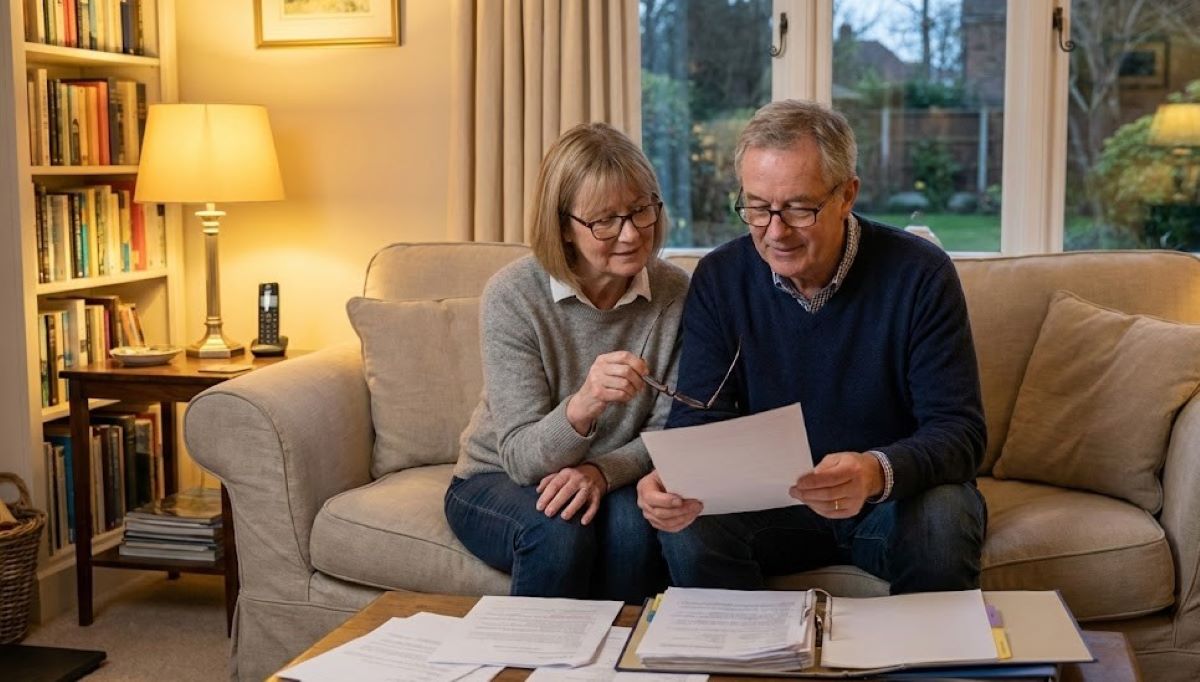
More Than Just a Will: The Hidden Dangers of DIY Estate Plans

More Than Just a Will: The Hidden Dangers of DIY Estate Plans

DIY Estate Planning: Why “Doing It Yourself” Isn’t Always the Smartest Move

I certainly understand the appeal of DIY estate planning. With online templates, how-to videos, and fill-in-the-blank legal forms, it can seem like a cost-effective, efficient way to get your affairs in order. After all, why pay for professional help when you can just download a document and fill it out yourself?

But here’s the thing: estate planning is more than paperwork. It’s about strategy, timing, and understanding the implications of every decision—legal, financial, and personal. And when it’s done without the right guidance, it can create more problems than it solves.

As a Certified Executor Advisor, I help individuals and families navigate estate planning and administration. I don’t draft documents or give legal advice, but I do see what happens when well-meaning people try to handle things on their own. Often, they don’t even know what questions to ask. And one tool I’ve seen misunderstood more than once is the alter ego trust.


A Real-World Example

A family reached out recently. They were exploring options to simplify the estate of an aging parent whose memory had started to decline. The parent still owned a rental property and also had a partial interest in the family home. There were debts involved — mortgages, some outstanding taxes, repair bills — and concern about what would happen if something happened before the rental was sold.

They’d heard about alter ego trusts and wondered if that could be a simple way to protect the home, avoid probate, and keep everything out of court. They were even considering setting it up themselves using information they’d found online. This is where DIY can become dangerous.


What Is an Alter Ego Trust?

In Canada, an alter ego trust is a living trust available to individuals aged 65 and older. You can move assets into it while you’re alive, remain the sole beneficiary, and then pass those assets directly to others upon your death, without the requirement of going through probate. Want to read our earlier article about alter ego trusts?

It sounds like a great solution – and sometimes, it is. But this isn’t a plug-and-play tool. It’s a complex legal instrument, and the consequences of using it incorrectly can be serious.


What Can Go Wrong with DIY Estate Planning Involving Trusts?

When people take the do-it-yourself route, especially with something like a trust, they often overlook key legal and financial issues that a professional would catch. Here are just a few examples:

1. Capacity Is Critical

To create a valid trust, the person creating the trust must have the mental capacity to understand what they’re doing. If there’s any doubt, due to age, illness, or cognitive decline, the trust can be challenged or overturned.

In the case I mentioned, the parent’s memory issues raised red flags. Without a medical assessment and clear documentation, any disgruntled party could later argue that the trust was invalid.

2. It Won’t Eliminate Debt

There’s a misconception that trusts can magically “protect” assets from creditors. They don’t. If there are mortgages or tax debts, they can follow the assets, trust or no trust. Moving a property into a trust doesn’t make those obligations disappear. Some types of trusts (e.g., spousal, Henson trusts) may protect against future creditors or certain claims, but only if structured correctly and not set up with the intention of dodging existing debts. That’s why these must be carefully designed with legal advice.

In this situation, the rental property had not yet sold, and there were concerns about foreclosure. If the trust was seen as a last-minute effort to avoid paying creditors, it could have been subject to challenge.

3. Intent and Timing Matter

If a trust is created too close to a financial or health crisis, courts may question whether it was created voluntarily or with the proper understanding. In cases of undue influence, lack of capacity, or fraudulent intent, the trust can be contested.

Without proper legal advice, these risks are often overlooked in DIY situations.


The Hidden Cost of “Saving Money”

Yes, hiring a lawyer to draft your estate documents or trust will cost more than filling in a template. Legal fees for creating a trust might range from $2,000 to $5,000 or more, depending on complexity. And, of course, there are ongoing fees for taxes, etc.

But the cost of doing it wrong? That can include:

  • Court challenges that drag on for months or years
  • Legal fees that far exceed the original cost of doing it right
  • Delayed access to funds or property for beneficiaries
  • Broken relationships and family conflict

Worse, if your trust is declared invalid, the estate may end up going through probate anyway, defeating the very purpose of setting it up. If your will is declared invalid, you essentially die intestate, and the government will take over until and unless a family member steps up — and it may not be someone you would choose!


When a Trust Makes Sense—and When It Doesn’t

Alter ego trusts have legitimate benefits. They can:

  • Bypass probate
  • Preserve privacy
  • Provide continuity if capacity is lost

But they also come with administrative complexity, ongoing legal obligations, and tax considerations. They aren’t a substitute for a full estate plan and they certainly aren’t something to set up casually without help.

In the case I mentioned, the trust might have been a viable solution if the parent still had full capacity, if creditor risk had been addressed, and if everything was clearly documented with legal support. But without those safeguards, it could have created more problems than it solved.


The Bottom Line

DIY estate planning may save money upfront, but it can cost far more in the long run — financially, legally, and emotionally. Tools like alter ego and other trusts are powerful, but they’re also complex. They need to be used correctly, with expert guidance, and with your full situation in mind.


Need help figuring out what questions to ask?

As a Certified Executor Advisor, I help you understand the options, uncover the risks, and connect with the professionals you need to make informed, confident decisions.

If you’re considering a trust, or any estate planning tool, don’t rely on what you’ve read online or downloaded from a website. Get the right advice. Ask the right questions. Understand the full picture. For step-by-step guidance that covers far more than just documents, explore my Comprehensive Legacy & Lifestyle Planning Package — a proven way to protect your legacy and give your family peace of mind.


Visit our services page to see how we can help.

Watch our video here, or watch on our YouTube Channel:

Prefer a podcast? Listen here!

Please send us your questions or share your comments.

Disclaimer: This content is for general information only and is not legal, financial, medical, or tax advice.

YouTube
YouTube
LinkedIn
LinkedIn