Estate Administration Mistakes: What Executors Need to Know

a woman at a desk with a small stack of paperwork and a couple of outstanding bills, looking frustrated and overwhelmed

The Top 3 Estate Administration Mistakes Executors Need To Know

Administering an estate is often more complicated than people expect, and three estate administration mistakes consistently top the list of common issues. Even with a clear will and a well-thought-out estate plan, unexpected issues can arise that cause delays, disputes, and financial stress. If you’ve ever taken on the role of executor, you know it’s so much more than just reading a will and handing out assets. It’s a process filled with paperwork, legal requirements, financial accountability, and often, unexpected challenges.

Whether you’re an executor now or planning ahead to make things easier for your loved ones, knowing what can go wrong is half the battle. Let’s take a closer look at three of the most common estate administration pitfalls and how to avoid them.


The Mystery of Missing Assets

One of the biggest headaches an executor can face is tracking down all of the deceased’s assets. You might think everything is accounted for. There’s a house, a car, some bank accounts. But what about that old life insurance policy they forgot to mention? What about the safety deposit box no one knew existed? What about digital assets, like cryptocurrency, online investments, or even sentimental items stored in the cloud?

Unfortunately, if the deceased didn’t leave an organized record of their assets, the executor is left playing detective. This process can be time-consuming and frustrating, and if assets go undiscovered, beneficiaries could lose out on their rightful inheritance.

“My father had a small savings account in another province that we had no idea about. We only found out about it a year later when we received a statement in the mail. By then, the estate had already been settled, and getting access to those funds was a nightmare.” – Mark S.

So how can this be avoided? The best solution is preparation. If you’re planning your own estate, create a master document that lists everything—bank accounts, investments, real estate, insurance policies, and even digital assets like email or social media accounts. Keep it somewhere safe but accessible to your executor. If you’re an executor yourself, take your time. Review past tax returns, check unclaimed property databases, and notify financial institutions of the death to uncover any hidden assets. The more thorough you are, the fewer surprises down the road.


The Ticking Time Bomb of Debts and Taxes

A common misconception is that when someone dies, their debts simply disappear. Unfortunately, that’s not how it works. Before any inheritance can be distributed, the estate must settle outstanding debts and taxes. And here’s where things can get tricky. If debts or taxes are overlooked, it can lead to serious legal and financial consequences.

Imagine this: You, as the executor, start distributing assets to the beneficiaries, only to later discover a sizable unpaid tax bill or a creditor demanding payment. Now, you’re in a tough spot. How do you recover those funds from beneficiaries who may have already spent them? You could be held legally responsible.

“We thought everything was settled until a tax bill from the previous year showed up. By that time, the estate funds were already distributed, and we had to scramble to come up with the money. It was an expensive lesson.” – Susan R.

To prevent this nightmare, executors should first obtain a credit report for the deceased to identify all outstanding debts. It’s also a good idea to publish a notice to creditors in a local newspaper, which gives creditors a set time frame to come forward with claims. On the tax side of things, consulting a professional is key. A final personal income tax return must be filed, and depending on the estate’s value, estate taxes or probate fees might also come into play. The key takeaway? Don’t rush the process. Ensuring that all debts and taxes are accounted for before distributing assets will save a lot of headaches and potential legal liability down the line.


Family Feuds Over Inheritance

It’s a sad reality that money can bring out the worst in people. Even in the closest families, emotions run high when it comes to inheritances. Maybe one sibling feels they deserve more, or another is upset that sentimental items weren’t divided fairly. Perhaps the will is vague, leaving room for interpretation and disagreement. These disputes can escalate quickly, sometimes even leading to legal battles that drain the estate and fracture family relationships permanently.

“My mother’s will didn’t specify who would get her jewelry collection. My sister and I ended up fighting over it for months, and it created a rift in our relationship that still hasn’t fully healed.” – Emily L.

So, how do you prevent an inheritance from turning into a battleground? The key is clarity and communication. If you’re making your own estate plan, make sure your will is as detailed as possible. Specify who gets what, and if you’re making unequal distributions, explain why. It may also be helpful to discuss your decisions with your family ahead of time to manage expectations. If you’re an executor handling a contested estate, transparency is your best friend. Keep meticulous records, communicate openly with all beneficiaries, and consider mediation if tensions start to rise. Sometimes, having a neutral third party can prevent conflicts from turning into costly court battles.


Final Thoughts

Administering an estate is not just about distributing assets. It’s about navigating a complex process while managing emotions, legal obligations, and financial matters. Losing track of assets, failing to account for debts and taxes, and dealing with family disputes are some of the most common pitfalls that can make estate administration a stressful experience.

The good news? Most of these problems are preventable with proper planning. If you are looking for someone with experience to guide you through the process, read out to NEXsteps. With Certified Executor Advisor certification and real-life experience in these matters, we can help.

Whether you’re setting up your own estate plan or serving as an executor, taking a proactive and organized approach can make all the difference. A little preparation now can save your loved ones from major headaches later—and ensure that your legacy is carried out exactly as you intended.


Visit our services page to see how we can help.

Watch our video here, or watch on our YouTube Channel:

Prefer a podcast? Listen here!

Please send us your questions or share your comments.

Disclaimer: This content is for general information only and is not legal, financial, medical, or tax advice.

Estate Administration Without a Will: Now What?

4 people in a room with a female judge. One young man has his head in his hands as he is stressed and confused. The other people are solemn

Handling an Estate When There Is No Will

Estate administration without a will can be a complex and challenging process, as there are no clear instructions left by the deceased. When someone passes away without a will, their estate enters a legal process called intestacy. Without clear instructions left by the deceased, the distribution of assets follows provincial or state laws, which may not align with what the deceased would have wanted. This can create confusion and stress for family members. If you find yourself responsible for managing an estate without a will, understanding the steps involved can help you navigate the process effectively.

Step 1: Understanding Intestacy Laws

Each jurisdiction has its own intestacy laws that dictate how an estate is distributed when there is no will. Typically, assets are distributed to the closest living relatives in a specific order of priority, such as:

  • Spouse or common-law partner (depending on the jurisdiction’s recognition of common-law relationships).
  • Children or direct descendants.
  • Parents and siblings if there are no surviving spouses or children.
  • More distant relatives if no immediate family exists.

Since intestacy laws vary, it’s essential to check the specific regulations that apply in the deceased’s jurisdiction.

Step 2: Petitioning for Estate Administration

Without a will, there is no named executor, so someone must apply to the probate court to become the estate administrator. Typically, a surviving spouse or adult child has priority in applying for this role. If no family members come forward, a public trustee or government agency may step in.

To apply, you will likely need to:

  • Complete and submit the necessary court forms.
  • Provide an inventory of the deceased’s assets and debts.
  • Obtain consent from other family members (in some jurisdictions).
  • Pay court fees associated with the application.

Once the court grants authority, the administrator assumes responsibilities similar to an executor in handling the estate’s affairs.

Step 3: Identifying and Securing Assets

A key role of the estate administrator is to locate and protect the deceased’s assets. This may include:

  • Bank accounts and investments.
  • Real estate properties.
  • Personal belongings and valuable possessions.
  • Vehicles, pensions, or business interests.

During this stage, it’s crucial to notify financial institutions and government agencies of the individual’s passing to prevent fraud or unauthorized access to assets.

Step 4: Paying Debts and Taxes

Before distributing any assets, the administrator must settle outstanding debts, which can include:

  • Mortgage or rent payments.
  • Credit card balances and loans.
  • Utility bills and other final expenses.
  • Taxes owed to federal or local authorities.

If the estate does not have enough assets to cover debts, the administrator may need to follow specific legal procedures to determine the order in which creditors are paid.

Step 5: Distributing the Estate According to the Law

Once debts and taxes are cleared, the remaining assets are distributed based on intestacy laws. This can become complicated if multiple heirs are involved, as disputes may arise over who is entitled to what. If heirs cannot agree, mediation or legal intervention may be required to resolve conflicts.

Step 6: Closing the Estate

Once all financial matters have been settled and assets distributed, the administrator must provide a final accounting to the court (if required) and formally close the estate. This process ensures that all legal and financial obligations are fulfilled before the administrator’s duties officially end. It is also advisable to obtain a release form from the heirs and beneficiaries, acknowledging that they have received their inheritance and releasing the administrator from further responsibility. This step helps prevent potential disputes in the future.

Challenges of Handling an Estate Without a Will

Managing an estate without a will can be a lengthy and complex process, often leading to:

  • Delays in accessing and distributing assets.
  • Higher legal costs due to additional court involvement.
  • Family conflicts over inheritance rights.
  • Tax complications that could have been avoided with proper planning.

How to Prevent This Issue for Your Own Estate

The best way to avoid intestacy is to create a will and update it as needed. A legally valid will ensures that your wishes are followed and makes it easier for your loved ones to manage your estate efficiently. Consider working with an estate planning professional to ensure your assets are protected and properly allocated. As Legacy & Lifestyle planning experts, NEXsteps is here to help.

Final Thoughts: Navigating Estate Administration Without a Will

Handling an estate without a will can be a daunting task, requiring patience, organization, and legal guidance. By understanding the necessary steps and seeking professional assistance when needed, you can ensure that the deceased’s assets are managed fairly and in accordance with the law. If you are currently facing this situation, consulting with an estate lawyer or a Certified Executor Advisor can help streamline the process and reduce stress for all parties involved.

Visit our services page to see how we can help.

Watch our video here, or watch on our YouTube Channel:

Prefer a podcast? Listen here!

Please send us your questions or share your comments.

Disclaimer: This content is for general information only and is not legal, financial, medical, or tax advice.

Estate Administration: What Every Executor Needs to Know

image of papers, computer, calculator and clips showing complexities of estate administration

How To Avoid Estate Administration Mistakes 

Administering an estate is a significant responsibility that requires careful attention to legal, financial, and personal matters. Whether you have been named as an executor in a will or appointed as an estate administrator by the courts, you have a fiduciary duty to act in the best interests of the estate and its beneficiaries. Many people don’t know that this role comes with both legal and ethical obligations, and failure to fulfill these duties properly can result in legal ramifications.

This article will help you navigate the process, from handling initial responsibilities to finalizing asset distribution.


Understanding the Role of an Executor

An executor, also known as a personal representative, is responsible for managing the deceased’s estate according to the terms of the will and applicable laws. If no will exists, an administrator will be appointed by the court. Executors have a fiduciary obligation, meaning they must act with honesty, transparency, and in the best interest of the estate and its beneficiaries. Any mismanagement, even if unintentional, can lead to personal liability.

Key responsibilities include:

  • Identifying and securing the deceased’s assets
  • Notifying beneficiaries and relevant organizations
  • Settling debts, taxes, and ongoing expenses
  • Ensuring assets are distributed according to the will or intestacy laws
  • Keeping clear records and providing an accounting of the estate

Failing to properly manage the estate can lead to legal consequences. Beneficiaries or creditors may take legal action against an executor who is negligent, misuses funds, or acts in their own self-interest.


First Steps After Death

The first steps in estate administration involve organizing important documents and ensuring the deceased’s affairs are secured.

    1. Obtain the death certificate – This document is required for legal and financial matters, including accessing bank accounts, filing insurance claims, and notifying financial organizations and government agencies.
    2. Locate the will and estate planning documents – The will outlines how assets should be distributed and may name an executor. If no will exists, intestacy laws determine how assets are distributed.
    3. Secure assets – Real estate, bank accounts, vehicles, and personal property need to be protected to prevent loss, theft, or unauthorized access.
    4. Notify government agencies and financial institutions – This includes informing the Canada Revenue Agency or IRS, banks, pension providers, and insurance companies.
    5. Cancel ongoing services – Subscriptions, utilities, and other recurring payments should be reviewed and canceled as necessary.

The Probate Process

Probate is the legal process of validating the will and granting the executor authority to act on behalf of the estate. Not all estates require probate, but when necessary, it ensures proper oversight of asset distribution.

  • Assets that typically require probate: Solely owned bank accounts, real estate, personal property.
  • Assets that usually bypass probate: Jointly owned property, life insurance with designated beneficiaries, registered retirement accounts with named beneficiaries.

If probate is required, the executor must file the will with the court along with necessary legal forms. In Canada, there are no estate taxes, however Probate Fees may be due once Grant of Probate has been granted by the courts, based on jurisdiction and estate value.  Keep in mind that probate timelines vary.  Simple estates can take months, and complex estates can take years to settle.


Managing Debts and Taxes

Before any assets can be distributed, the executor must ensure that all debts and taxes are paid. This includes:

  • Settling outstanding bills and loans – This may involve paying off credit cards, mortgages, and other debts using estate funds.
  • Filing the deceased’s final tax return – Any unpaid taxes must be cleared before distributions can be made.
  • Handling estate taxes (if applicable) – Depending on the jurisdiction and estate value, estate taxes may apply.

Executors should work with an accountant or legal professional to ensure compliance. Failure to properly settle debts or taxes can result in financial penalties or legal actions against the executor.


Distributing Assets to Beneficiaries

Once debts and taxes are cleared, the executor can distribute assets according to the will’s instructions. If there is no will, intestacy laws dictate how assets are divided among heirs.

Challenges may arise when:

  • Beneficiaries dispute asset distribution
  • The instructions in the will are unclear
  • Some assets are difficult to divide, such as real estate

Executors must communicate transparently and document all actions. Keeping detailed records helps prevent disputes and protects the executor from liability.


Finalizing the Estate

The final steps involve closing out the estate and ensuring all legal requirements are met. This includes:

  • Providing a final accounting to beneficiaries
  • Obtaining signed releases from beneficiaries acknowledging receipt of their inheritance
  • Filing final paperwork with the court, if required

Once all steps are completed, the executor is relieved of their duties, and the estate is officially closed.


Legal and Fiduciary Responsibilities

Executors carry significant fiduciary responsibilities. If an executor fails to fulfill their duties—whether by negligence, mismanagement, or intentional wrongdoing—they can face personal liability. Beneficiaries or creditors can take legal action if they believe the executor has not acted in good faith.

Common legal pitfalls include:

  • Failing to properly document and report financial transactions
  • Distributing assets before debts and taxes are settled
  • Making decisions that benefit themselves over beneficiaries
  • Failing to act in a timely manner, causing financial loss to the estate

To mitigate risk, executors should seek professional guidance from estate lawyers, accountants, or financial advisors when needed.

As a Certified Executor Advisor, I can provide guidance and assistance throughout this process, ensuring that executors fulfill their legal and fiduciary responsibilities while avoiding common pitfalls. Having professional support can make estate administration smoother, reducing stress and legal risk for everyone involved.


Final Thoughts on Administering an Estate

Administering an estate is a complex and often emotional process that requires diligence, transparency, and legal awareness. Understanding the steps involved—securing assets, navigating probate, settling debts and taxes, and distributing inheritances—helps ensure a smooth and legally compliant estate administration.

For those serving as executors, recognizing your fiduciary duty and seeking professional advice when necessary can help you fulfill your responsibilities effectively and avoid legal consequences. If you need guidance in estate administration, consulting an expert can make the process more manageable and ensure the estate is handled properly.


Visit our services page to see how we can help.

Watch our video here, or watch on our YouTube Channel:

Prefer a podcast? Listen here!

Contact us to share your comments or ask questions.

Disclaimer: This content is for general information only and is not legal, financial, medical, or tax advice.

Probate vs. Estate Tax: The Truth About ‘Death Taxes’ in Canada and the U.S.

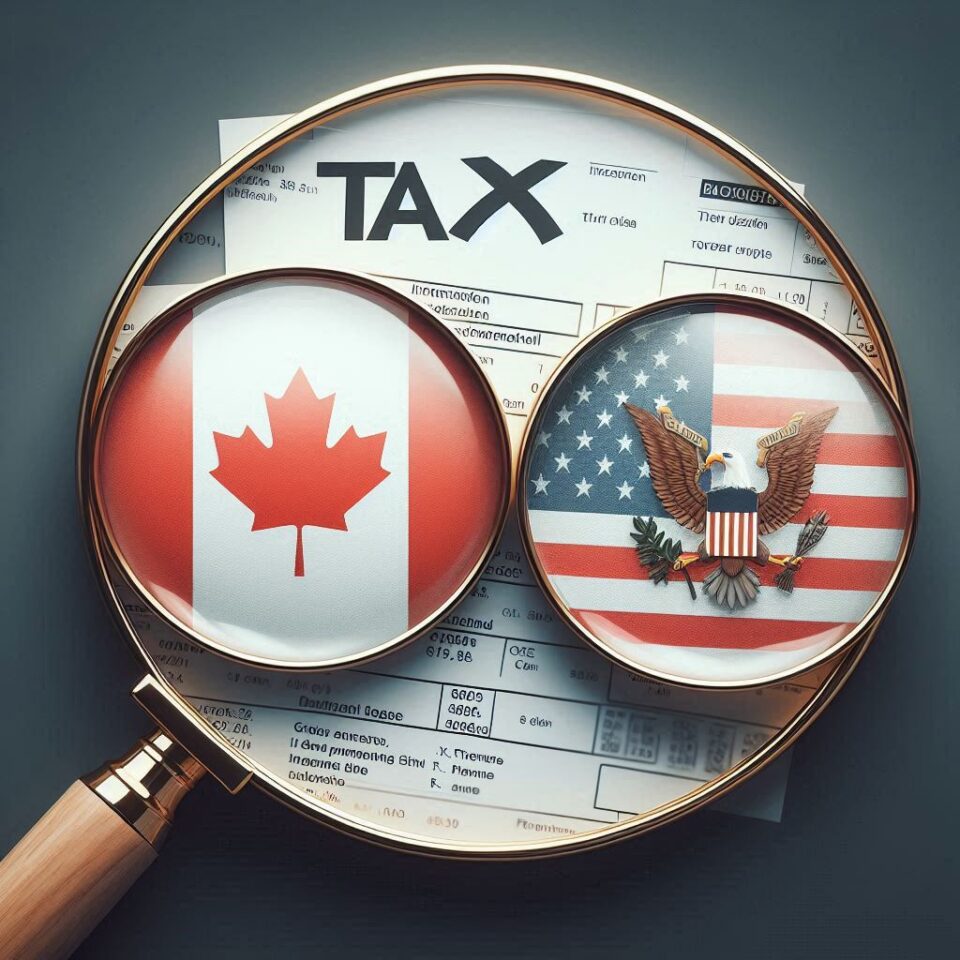
looking at taxes in Canada vs US through a magnifying glass

Implications of the “Death Tax”: Do You Really Need to Be Concerned?

The so-called “death tax” is often discussed in connection with estate planning, but its implications vary widely depending on where you live. While Canadians don’t have a formal estate tax, the costs associated with transferring wealth after death can still be significant, particularly through probate and capital gains legislation. By contrast, the U.S. has a federal estate tax that can greatly impact high-net-worth families. Understanding these differences is essential for making informed decisions about your estate. As one expert points out, “Many people believe that the ‘death tax’ only refers to large estates, but even mid-sized estates can face hefty fees due to probate and capital gains taxes.” For Americans, the federal estate tax presents a more complex challenge: “In the U.S., estate tax planning often involves trusts, life insurance strategies, and tax exemptions to reduce the impact of estate tax, which can reach up to 40%,” says a U.S.-based estate planner. And while Canadians might not face a federal tax on estates, they are still subject to probate costs, which vary based on your province. “It’s easy to overlook how much probate can eat into an estate’s value, especially when you’re dealing with real estate or stocks that have appreciated significantly,” notes a financial advisor in Ontario. With these varying tax implications, it’s crucial to understand how probate and estate tax differ and how they could affect your legacy.

What Is the “Death Tax”?

The term “death tax” refers to taxes levied on the transfer of assets after a person dies. In the U.S., this includes the federal estate tax, which applies to estates that exceed a certain threshold, currently around $12.92 million in 2023. In contrast, Canada does not have a comparable estate tax; instead, it imposes other fees and requirements that can affect estate value, primarily probate costs and capital gains that may be owing on assets that are transferred.

Probate Costs in Canada: The Key Consideration

While Canadians avoid the complexities of an estate tax, they still face probate costs in nearly every province and territory. Probate is the process where the court validates a will, ensuring it’s legitimate and that the executor has the authority to administer the estate. Probate costs vary by province, with some provinces, such as Ontario and British Columbia, imposing higher fees based on the estate’s value, while others, like Alberta, cap probate fees.  “Many people are unaware of how probate costs can accumulate,” says a Toronto-based lawyer specializing in estate planning. “It’s not just the probate fees; you also need to factor in the cost of filing taxes, asset valuations, and sometimes even the legal fees for dealing with disputes.” These additional costs can reduce the estate’s value significantly.

Probate Fee Ranges in Canada:*

  • British Columbia:  0.6% on estates between $25,000 and $50,000; 1.4% on estates over $50,000
  • Ontario: Approximately 1.5% on the estate’s value above $50,000
  • Saskatchewan: 0.7% on the estate’s value
  • Alberta: A capped fee, with a maximum of $525 for estates over $250,000.
  • Nova Scotia: Tiered system based on value of the estate
  • Newfoundland: Estates valued at $1,000 or less are subject to a flat fee of $60. For estates worth more, there is a fee of $0.60 for every additional $100
  • New Brunswick: Tiered system based on the value of the estate
  • PEI: Tiered system bases on value of the estate; $400 for first $100,000 plus 0.4% for estates valued over $100,000
  • Nunavut: Tiered system based on value of the estate, capped at $425 for estates valued over $250,000
  • Yukon: $140 on estates valued over $25,000
  • Northwest Territories: Tiered system based on the value of the estate, capped at $435 for estates valued over $250,000
  • Manitoba: no probate fees
  • Quebec: no probate fees

* Probate fees are subject to change.  Please be sure to do your due diligence when dealing with an estate in the applicable province or territory. 

In addition to probate costs, the Canada Revenue Agency (CRA) considers any assets that have appreciated in value subject to capital gains tax at the time of death. This can significantly reduce the estate’s value, especially for estates with properties or investments that have appreciated. “People often assume that once they pass away, the tax implications are over,” says a tax consultant in Calgary. “However, the reality is that capital gains tax will be due on any appreciation in assets, which can leave the estate with a substantial bill to pay.” Be sure to get proper advice when structuring beneficiaries on any of these assets, as some assets can pass to specific beneficiaries without incurring these costs.

The U.S. Estate Tax: A Complex System

Unlike in Canada, the U.S. has a federal estate tax that applies to estates exceeding a significant exemption amount, approximately $12.92 million in 2023. The estate tax rate can reach up to 40% for very large estates. Additionally, some states also have their own estate or inheritance taxes, creating an added layer of complexity. As a result, many wealthy Americans engage in sophisticated estate planning strategies to reduce their estate tax liability.

Key U.S. Estate Tax Facts:

  • Federal exemption (2023): $12.92 million per individual, effectively doubling for married couples.
  • Tax rate: Ranges from 18% to 40% on estates over the exemption.
  • State estate and inheritance taxes: Imposed by several states with differing exemption levels and rates.

Why Canadians Still Need to Plan

Even though Canada’s system is simpler, probate and tax costs can still significantly impact estate value. Canadians should be aware of a few key considerations:

  1. Planning Around Probate: Strategies like designating beneficiaries, using joint ownership with rights of survivorship, or setting up trusts can help avoid probate on certain assets. By doing so, you can potentially minimize the estate’s exposure to probate fees and streamline the transfer process.
  1. Minimizing Capital Gains Tax: Assets that have appreciated in value can be subject to capital gains tax. Strategic gifting, transferring assets, or holding certain investments in tax-advantaged accounts may reduce this impact.
  1. Cross-Border Implications: If you hold assets in the U.S. or if you are a dual citizen, you may be subject to U.S. estate tax. This makes planning essential, as U.S. tax authorities can apply estate tax to U.S. assets even if the owner resides in Canada.  “Cross-border tax issues are becoming more common as people move between Canada and the U.S.,” warns a cross-border financial advisor. “It’s vital to ensure that any U.S. assets are structured properly to avoid triggering unnecessary estate tax liability.”

Is the “Death Tax” a Concern for Your Estate?

The “death tax” conversation may seem less pressing for Canadians than for Americans, yet the impact of probate and capital gains taxes on estates in Canada remains real. Without a proper plan, your beneficiaries may see a reduced inheritance due to these costs. If your estate includes significant assets, particularly appreciated property or investments, proactive planning can make a considerable difference.

Final Thoughts

The good news for Canadians is that our system is less complex than in the U.S., but it’s still essential to plan. Whether you’re looking to minimize probate costs, manage capital gains implications, or navigate cross-border tax issues, a well-structured estate plan can help secure the legacy you intend to leave. Consulting with a professional knowledgeable in Canadian estate planning can help you devise a strategy that maximizes the value passed on to your loved ones.

“We as a society do not talk about money, death, or end-of-life planning at the dinner table. Canadians do pretty much anything they can to avoid thinking about their own mortality.”  This does not have to be your story. Proactive planning, guided by a Certified Executor Advisor like myself, provides you with peace of mind and ensures your loved ones are not left struggling to navigate complex decisions during challenging times.

Visit our services page to see how we can help.

Watch our video here, or watch on our YouTube Channel:

Prefer a podcast? Listen here!

Contact us to share your comments or ask questions.

Disclaimer: This content is for general information only and is not legal, financial, medical, or tax advice.

YouTube
YouTube
LinkedIn
LinkedIn